Rust is one of the most loved warm tones in modern home decor. It adds depth, comfort, and a natural, earthy feel to any space. From living rooms to bedrooms, more homeowners in the UK are choosing rust because it works well with both neutral and bold colours. But while rust can bring beautiful warmth to a room, choosing the wrong rust color combinations can make the space look dull, heavy, or mismatched.
In this guide, we will look at the most common mistakes people make when using rust color combinations and how to avoid them. This will help you style your home in a clean, balanced, and modern way without overwhelming the space.
Why Rust Is Popular in Modern Interiors
Rust sits between burnt orange and terracotta. It feels earthy and natural, so it works well in both modern and traditional UK homes. Many people use rust to create a warm look, especially in colder seasons. The key is choosing the right rust color combinations so the room looks welcoming and stylish.
Mistake 1: Pairing Rust with Too Many Dark Colours
Rust is a deep, warm shade. When you mix rust with multiple dark colours like charcoal, navy, or deep green, the room can start to feel closed in. This is a common mistake people make when trying to create a “cozy” space.
How to Avoid It
Use darker colours only as accents. Mix rust with lighter tones to keep the space open and bright.
Good rust color combinations include:
- Rust + cream
- Rust + light grey
- Rust + beige
- Rust + soft white
These combinations bring balance and help the rust stand out naturally.
Mistake 2: Using Too Much Rust in One Room
Rust is bold. Using it on walls, furniture, rugs, and decor all at once can overwhelm the room. This reduces contrast and makes everything blend together too much.
How to Avoid It
Choose one main feature in Rust.
For example:
- Rust sofa
- Rust accent wall
- Rust curtains
- Rust bedding
Then, use neutral colours around it. This keeps the rust tone meaningful rather than overpowering.
Mistake 3: Choosing the Wrong Rust Shade
Not all rust tones are the same. Some are brighter with orange tones, while others are deeper and more brown. Picking the wrong shade can clash with floors, wood tones, or existing furniture.
How to Avoid It
Test rust swatches before deciding.
Look at the shade in:
- natural daylight
- evening lighting
- warm indoor light
Good rust color combinations depend on finding a shade that blends well with your flooring, decor, and the room’s natural light.
Mistake 4: Mixing Rust with Cold Colours Incorrectly
Rust is warm. When you mix it with very cool tones like icy blue or bright purple, the room can feel visually uneven.
How to Avoid It
If you want a cool colour with rust, choose muted tones such as:
- Slate blue
- Dusty blue
- Sage
- Soft teal
These colours soften the contrast and create a calm look. Balanced rust color combinations often rely on these muted cool tones.
Mistake 5: Ignoring Texture When Using Rust
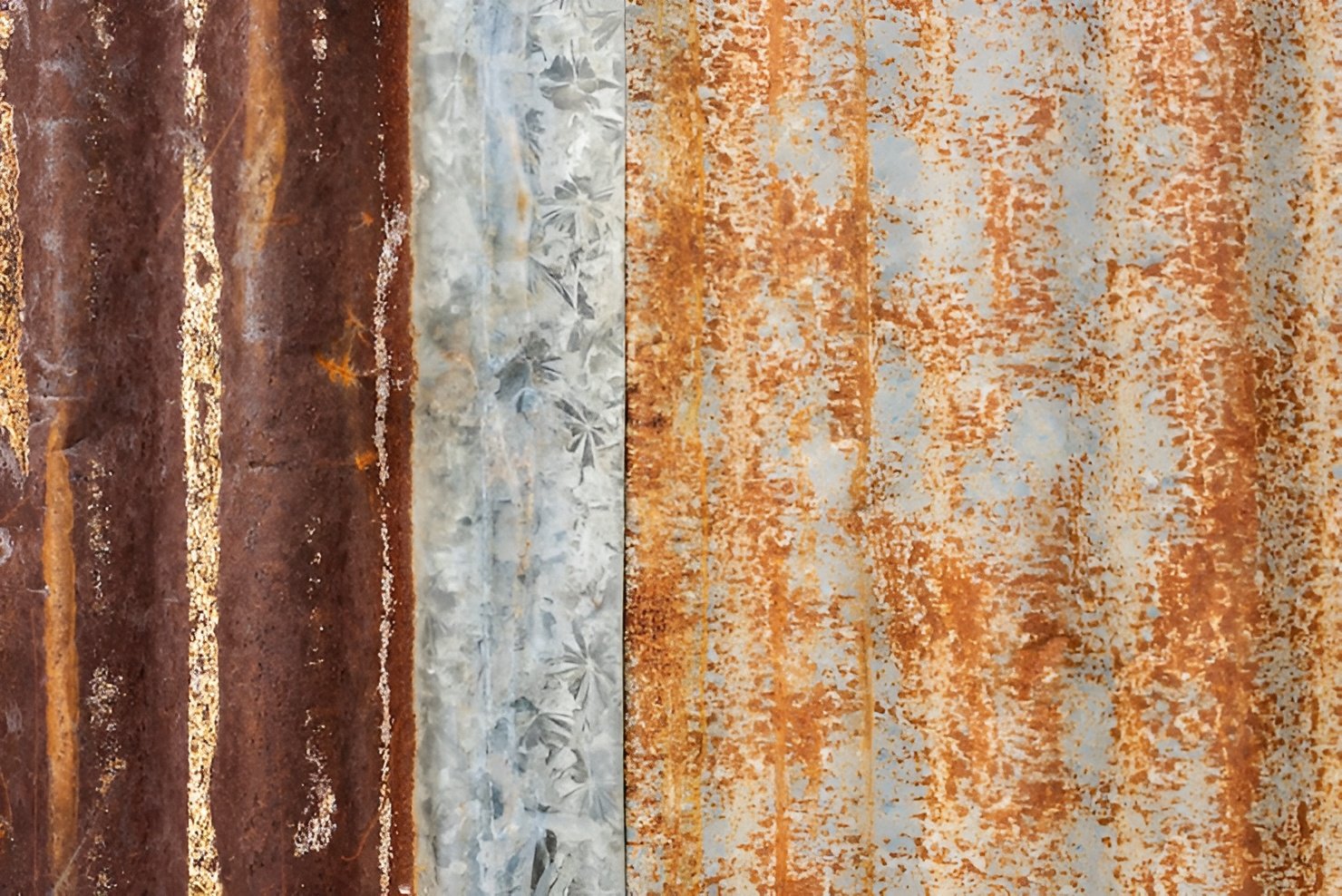
Rust looks best when mixed with the right textures. Many people choose smooth or shiny finishes, which do not support the earthy feel of the colour.
How to Avoid It
Use textures that complement rust, like:
- Linen
- Wool
- Velvet
- Woven fabrics
- Natural wood
- Rattan
Rust color combinations look richer and more natural when paired with warm, soft, or organic textures.
Mistake 6: Not Considering Room Size
Rust can make a small room feel smaller if used incorrectly. A full rust wall, heavy rust curtains, or bulky rust furniture can shrink the space visually.
How to Avoid It
Use rust strategically.
Examples:
- Rust cushions instead of a rust sofa
- A rust throw instead of rust curtains
- A rust rug with light-coloured walls
In small UK homes, choosing light rust color combinations with creamy tones helps keep the room open.
Mistake 7: Forgetting About Metal Finishes
Rust pairs beautifully with some metals but clashes with others. The wrong metal tones can make rust look too orange or too brown.
Best Metal Matches
- Black metal
- Bronze
- Brass
- Warm gold
Metals to Use Carefully
- Chrome
- Silver
- Polished steel
These cooler metals can clash with warm rust color combinations unless used sparingly.
How to Use Rust Color Combinations the Right Way
To decorate with rust confidently, think about balance. Rust works best when paired with colours and textures that highlight its warmth while keeping the room bright and fresh.
Here are some reliable rust color combinations to guide you:
- Rust + cream + wood
- Rust + beige + brass
- Rust + light grey + black
- Rust + sage green + oak
- Rust + dusty blue + linen
These combinations keep a room warm, modern, and inviting.
Final Thoughts
Rust is a beautiful and flexible colour when used with care. The key to using rust color combinations well is balancing mixing warm tones with neutrals, brighter shades, and natural textures. By avoiding the common mistakes listed above, you can style your home in a way that feels warm, modern, and visually pleasing.