Low water pressure is one of the most common household complaints across the UK. From showers that struggle to rinse shampoo to taps that take far too long to fill a kettle, poor flow can quickly become a daily frustration. While many homeowners assume a pump is the only solution, that is not always the case. In fact, there are several effective ways to address the problem once you understand what is really happening inside your plumbing system.
This article explains how to improve water pressure in home settings without installing a pump. It focuses on realistic, practical steps suitable for UK properties, whether you live in a modern house, a flat, or an older building with traditional pipework.
Why Water Pressure Is Often Low in UK Homes
Water pressure issues in the UK are usually linked to how properties are supplied and how plumbing systems were designed. Many homes still rely on older layouts that were never intended to support modern water usage. Gravity-fed systems, narrow pipework, ageing fittings, and internal restrictions can all reduce pressure before water even reaches your taps.
Understanding how to improve water pressure in home plumbing starts with recognising that pressure loss usually happens gradually. A single dramatic fault rarely causes it. Instead, small inefficiencies build up over time until the flow becomes noticeably weak.
In some cases, the incoming mains supply is perfectly adequate, but the pressure is lost inside the property due to restrictions, wear, or poor configuration.
Start With the Mains Stopcock and Internal Valves
One of the most overlooked reasons for low pressure is a partially closed stopcock. In many homes, the internal stopcock has been turned down during plumbing work and never fully reopened. Even a slight restriction here can noticeably reduce pressure across the entire property.
Check the internal stopcock, usually located under the kitchen sink or near where the mains pipe enters the house. Turning it fully anti-clockwise ensures the maximum flow is allowed into the system. If the valve is stiff or difficult to move, it may be ageing or scaled internally, which itself can restrict water flow.
For homeowners looking at how to improve water pressure in home systems without major work, this is often the simplest and most effective first step.
Remove Flow Restrictions at Taps and Showers
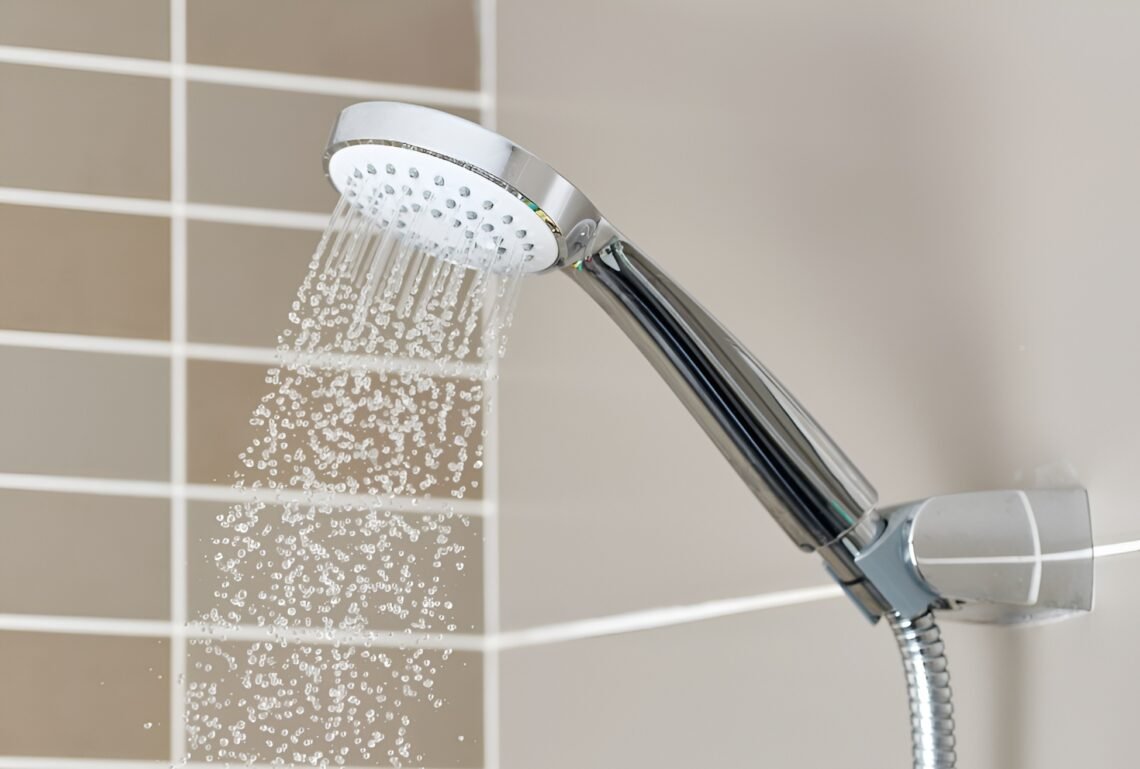
Low pressure is often most noticeable at taps and showers, even when the rest of the system is functioning reasonably well. This is because fixtures contain small internal filters designed to catch debris. Over time, these filters trap limescale and sediment, particularly in hard water areas.
Unscrewing tap aerators and showerheads allows you to clean them thoroughly. A buildup you barely notice visually can dramatically affect flow. Once cleaned, many people are surprised by how much pressure appears to return.
This step is especially important when assessing how to improve water pressure in home bathrooms, where reduced flow is often blamed on the system rather than the fixtures themselves.
Check for Hidden Leaks Reducing Pressure
Leaks do not always announce themselves with visible water damage. Small leaks under floors or behind walls can quietly reduce pressure by diverting water away from where it is needed.
A simple test involves turning off all water-using appliances and taps, then checking the water meter. If it continues to move, there is likely a leak somewhere in the system. Even a slow leak can lower overall pressure, particularly in gravity-fed systems.
Fixing leaks not only improves pressure but also protects the property from long-term structural damage. When considering how to improve water pressure in home plumbing, leak detection is often a crucial step that gets overlooked.
Understand the Impact of Pipe Size and Age
Many older UK homes still contain narrow copper or steel pipes that were installed decades ago. Over time, these pipes can corrode internally or accumulate scale, gradually narrowing the passage for water. This restricts flow even when the incoming pressure is sufficient.
While replacing pipework is not a small job, targeted upgrades can make a noticeable difference. Replacing short sections of old pipe with modern equivalents can improve flow without requiring a full system overhaul.
For homeowners researching how to improve water pressure in home systems long-term, addressing outdated pipework often delivers the most consistent results.
Review Pressure Regulators and Control Valves
Some homes are fitted with pressure-reducing valves designed to protect appliances from excessive pressure. If these regulators fail or are incorrectly set, they can reduce pressure far below comfortable levels.
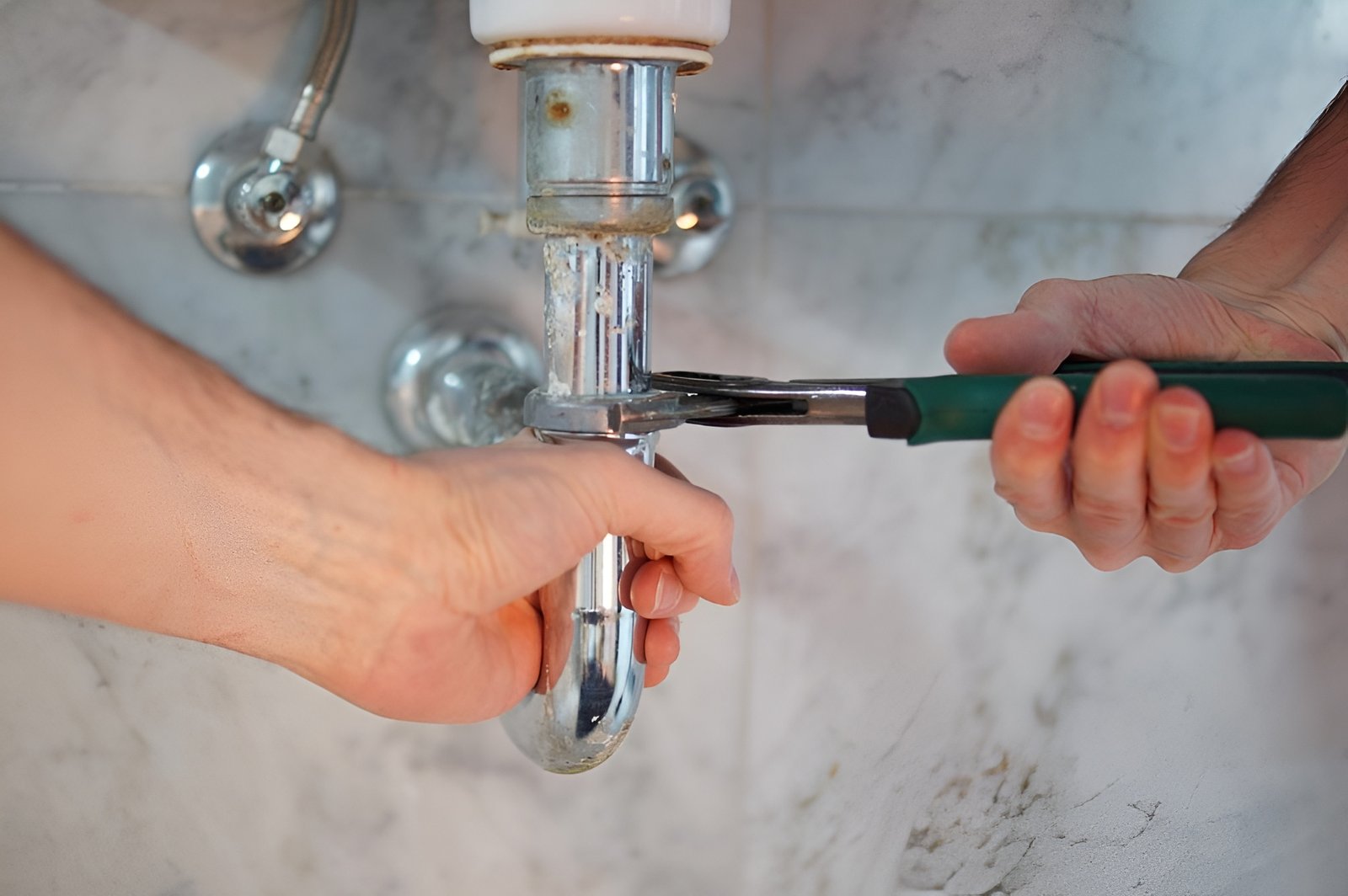
Testing pressure at an outdoor tap or accessible outlet helps determine whether regulation is the issue. If pressure is significantly lower than expected throughout the property, adjustment or replacement of the regulator may be necessary.
This is a technical task, but it does not involve pumps or complex installations. When carried out correctly, it can restore proper water pressure across the entire home.
Improve Water Flow Through Better Usage Planning
Pressure problems are sometimes most noticeable at peak times, particularly in the mornings and evenings. Multiple showers, appliances, and taps running at once can overwhelm systems that were not designed for simultaneous demand.
While this does not technically increase pressure, managing usage can significantly improve performance. Staggering appliance use reduces strain on the system and improves flow where it matters most.
For households wondering how to improve water pressure in home environments without physical changes, this approach can make everyday water use noticeably more comfortable.
Check the Incoming Supply From the Water Provider
Not all pressure issues originate inside the home. In some areas, the mains supply itself operates at lower pressure due to infrastructure limitations or temporary maintenance work. Water companies in the UK are required to meet minimum standards, but actual pressure can still vary.
If internal checks show no obvious issues, contacting the local water supplier for a pressure test can clarify whether the issue lies outside the property. In some cases, repairs or adjustments on their side can restore adequate pressure without any cost to the homeowner.
This step is essential when assessing how to improve water pressure in home systems that appear otherwise well-maintained.
When Pump-Free Solutions Are Enough
Many homeowners assume pumps are necessary simply because the pressure feels low. In reality, once restrictions, leaks, and outdated components are addressed, pressure often improves to acceptable levels without mechanical assistance.
Understanding how to improve water pressure in home plumbing without a pump means focusing on efficiency rather than force. Removing bottlenecks, improving flow paths, and ensuring full supply access can deliver lasting improvements without added complexity.
Pumps should generally be considered only after these steps have been exhausted, not as a first response.
Final Thoughts
Low water pressure does not automatically mean expensive upgrades or pump installations. In many UK homes, the issue can be traced back to simple restrictions, ageing components, or internal inefficiencies that are entirely fixable.
By taking a methodical approach and understanding how to improve water pressure in home systems through practical adjustments, homeowners can often restore comfortable water flow without major disruption. Whether it’s cleaning fixtures, checking valves, repairing leaks, or modernising pipework, these steps offer long-term benefits that improve daily living.
If problems persist despite these measures, a qualified plumber can assess whether more advanced solutions are required. In most cases, however, careful investigation and targeted improvements are enough to make a noticeable difference.