
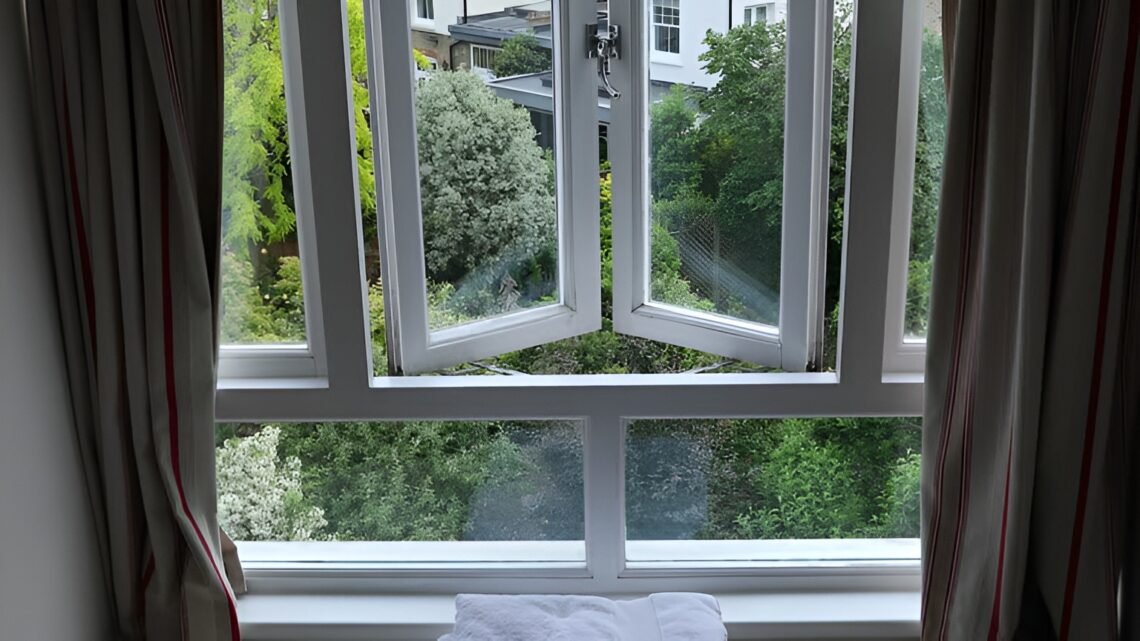
Many UK homeowners start thinking about upgrading their windows when their homes feel cold, draughty, or expensive to heat. With energy bills rising, it’s natural to wonder if there’s any financial support available, especially for improvements like double glazing grants or secondary glazing. Unfortunately, information online can be confusing. Many websites mention grants or “free windows,” but few explain clearly who qualifies and what support is actually available.
This leaves a lot of people unsure about whether they can claim help through double glazing grants, secondary glazing, or sometimes neither of the two. The reality is that UK grant schemes for glazing depend on several factors: the condition of your property, your income, the type of scheme, and the level of energy-efficiency improvements needed. Understanding these factors makes it much easier to see which option might realistically be available for your home.
Double glazing and secondary glazing both improve warmth and efficiency, but they are designed for different types of homes. When it comes to double glazing grants, knowing these differences is crucial.
Difference Between Double Glazing and Secondary Glazing
Double glazing is the most familiar option for modern homes. It involves completely replacing old windows with new units that contain two panes of glass. This reduces heat loss, cuts down on outside noise, and improves security. Double glazing is often the best choice for homes with very old or damaged windows, making them strong candidates for double glazing grants.
Secondary glazing, on the other hand, involves adding a second pane of glass to the inside of an existing window frame. It doesn’t alter the original window, which makes it a popular solution for older houses, listed buildings, or homes in conservation areas where window replacement is restricted. While it doesn’t deliver the same overall improvement as double glazing, it still helps keep warmth in and reduces draughts.
Both options can lower energy bills and make homes more comfortable, but the most suitable choice depends on the property type, age, and condition. Double glazing grants often target properties with the greatest need for full replacements rather than secondary installations.
Grants in the UK Don’t Always Cover Windows Directly
Many homeowners hope for a simple “free windows” grant scheme, but most UK energy programmes don’t work this way. Double glazing grants usually focus on improvements that have the greatest impact on overall energy efficiency, such as insulation, heating systems, and draught-proofing.
Window upgrades can sometimes be included as part of a wider package, especially if an energy assessment shows the property is inefficient. Grants may contribute to the cost of either double or secondary glazing if it’s necessary to improve the home’s EPC rating, but this is never guaranteed.
It’s important to remember that double glazing grants are need-based. They are designed to target households that will benefit most in terms of energy efficiency, not every homeowner looking to modernise their windows.
When Double Glazing Might Be Approved Through a Grant
A grant may include double glazing if the assessment shows that the home’s existing windows are causing significant heat loss. This is more common in older houses with single-pane windows or those in poor condition. Replacing these windows with double glazing may be recommended as part of a wider energy-efficiency upgrade.
To give a clearer picture, here are some key factors assessors consider when deciding whether double glazing grants can be applied:
- The current state of your windows and whether they are draughty or damaged
- The overall energy performance of your home, measured by its EPC rating
- The cost-effectiveness of the upgrade in relation to other energy improvements
- Your eligibility is based on income, benefits, or household circumstances
Even when double glazing is approved through double glazing grants, it might not cover every window in your home. Grants typically focus on the improvements that deliver the biggest efficiency gains.
Why Secondary Glazing Is Sometimes a More Realistic Option
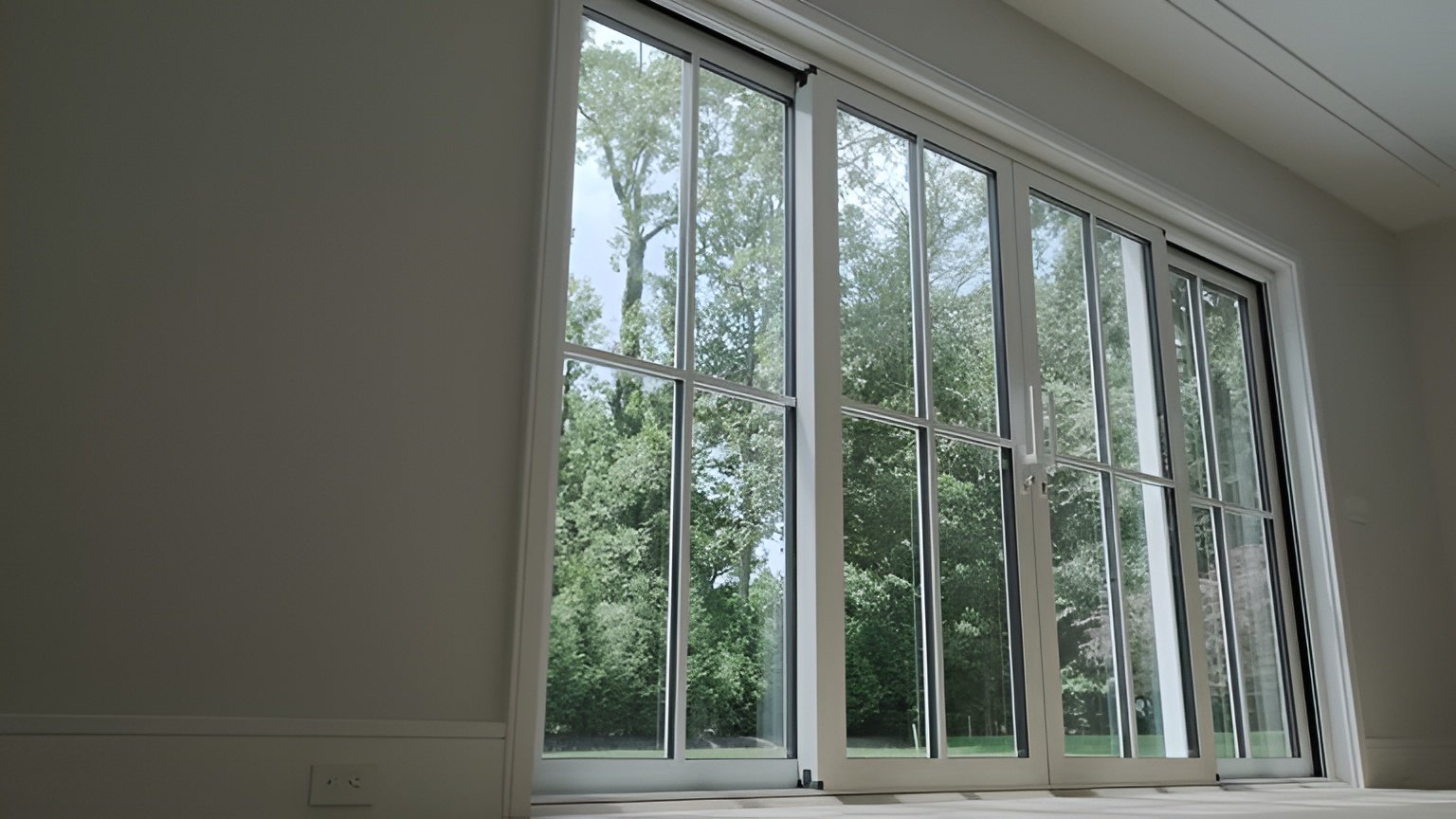
Secondary glazing can be easier to approve under grant schemes because it is less disruptive, cheaper, and more suitable for older properties. In homes with historic or listed windows, secondary glazing is often the only improvement that can be legally installed without planning permission.
It still provides a noticeable improvement in warmth, comfort, and noise reduction. Secondary glazing can also be more practical for households on limited budgets, as it costs less than a full window replacement. For many UK homes, particularly older or period properties, secondary glazing is often the more realistic choice under grant schemes.
Even though secondary glazing is useful, double glazing grants typically prioritise properties that require full replacement for the best energy-efficiency improvement.
Which Grant Option Are You Most Likely to Receive?
Eligibility depends on the property’s age, condition, energy rating, and the household’s income or benefits. Grants do not guarantee glazing support for every home. Assessors determine which upgrades will have the most significant impact on energy efficiency, and that decision dictates whether double glazing grants or secondary glazing support is offered.
Some households may receive grant approval for full double glazing, others for secondary glazing, and some may find that their home’s energy improvement needs are better addressed with insulation or heating upgrades. The key takeaway is that a professional assessment is the most reliable way to find out what your home qualifies for.
Choosing What’s Right for Your Home
If you are seeking grant support, it’s important to be flexible about the type of glazing that may be offered. Double glazing offers maximum energy efficiency, but eligibility is limited to homes where the existing windows are very inefficient. Secondary glazing provides a practical alternative that works well for older or listed properties.
Focus on what your home genuinely needs rather than which upgrade you personally prefer. Grants are designed to improve efficiency, not to meet personal design preferences. By approaching the process with an open mind, you are more likely to receive double glazing grants or alternative support that will make a real difference to your home’s comfort and energy bills.
Final Thoughts
Both double glazing and secondary glazing can make a significant difference to warmth, comfort, and energy efficiency. Understanding the differences and how UK grant schemes work helps homeowners set realistic expectations.
By having a professional assessment, preparing the necessary documentation, and working with trusted installers, you can make the process much smoother. Whether your grant covers full double glazing grants, secondary glazing, or another energy improvement, taking action now can help you save money, reduce heat loss, and enjoy a more comfortable home for years to come.




Hi there! This is my 1st comment here so I just wanted to give
a quick shout out and say I truly enjoy reading your blog posts.
Can you suggest any other blogs/websites/forums that
cover the same subjects? Thank you so much!