Improving your home is always tempting, especially when you hope to increase its value. Many homeowners in the UK believe that every upgrade they make will boost the selling price. Sadly, that’s not true. Some projects do not give the return you expect and may even put buyers off. There are many home improvements that do not add value UK, and yet many people still spend thousands on them.
Why Some Improvements Fail to Add Value
Before exploring the myths, let’s understand why some changes fail in the first place:
- Too Personal – Upgrades that reflect only your taste may not appeal to the wider market.
- Over-Investing – Spending more than your area supports often results in wasted money.
- Poor Practicality – Buyers focus on usable space, not just appearance.
- Changing Trends – What looks fashionable today might look outdated in five years.
For these reasons, many projects end up becoming home improvements that do not add value UK.
Myth 1: Every Kitchen Upgrade Adds Value
The kitchen is often called the “heart of the home.” While it’s true that buyers pay attention to it, not all upgrades are profitable. Many homeowners believe that a luxury kitchen with designer units, granite counters, and expensive appliances will guarantee a higher price.
Reality: A clean, modern, and functional kitchen is enough for most buyers. Overspending on a kitchen in an average home often becomes one of the top home improvements that do not add value UK. Buyers may admire it, but they rarely want to pay tens of thousands more for it.
Myth 2: A Luxury Bathroom Always Boosts Price
Bathrooms are another area where people overspend. Spa-style tubs, rainfall showers, or premium stone fittings are attractive, but they don’t always convert into higher property value.
Reality: Buyers care more about cleanliness, neutral design, and practicality. In many cases, a simple, fresh bathroom is better than a luxury one. Overdoing it often places bathrooms firmly in the category of home improvements that do not add value UK.
Myth 3: Large Extensions Always Add Value
Extensions are expensive projects, and many homeowners see them as a guaranteed investment. However, not all extensions make sense.
Reality: If an extension creates awkward layouts, doesn’t suit the house design, or exceeds the value of other properties on the street, it can backfire. This makes certain extensions clear examples of home improvements that do not add value UK.
Myth 4: Expensive Landscaping Pays Off
A well-kept garden is a selling point, but many people overspend on landscaping. Water features, exotic plants, or large decking areas often look stunning but can also increase maintenance costs.
Reality: Buyers in the UK usually prefer low-maintenance gardens. Spending thousands on fancy landscaping is one of the home improvements that do not add value UK because it appeals to only a small group of buyers.
Myth 5: Bold Décor Helps Homes Sell Faster

Some homeowners believe personal style will impress buyers. Bright walls, feature ceilings, or unusual room themes might feel unique to you, but they rarely help during a sale.
Reality: Buyers want a blank canvas. Bold décor often creates extra work for them, which is why it’s seen as one of the home improvements that do not add value UK. Neutral colours and simple finishes are usually better choices.
Myth 6: Expensive Technology Attracts More Buyers
Smart home systems, built-in sound systems, and high-end underfloor heating sound exciting. But do they actually add to property value?
Reality: These features may impress some buyers, but most see them as optional extras. In many cases, the money spent will not come back at sale time, making them home improvements that do not add value UK.
Myth 7: Converting Every Space Adds Value
Some people turn garages into gyms, basements into bars, or spare rooms into offices with built-in furniture. While creative, these changes can narrow buyer interest.
Reality: Not everyone wants a home bar or a themed office. Over-customisation usually turns into home improvements that do not add value UK, because buyers prefer flexible, usable rooms.
What Buyers in the UK Really Want
Now that we’ve looked at the myths, here’s the reality. Instead of wasting money on home improvements that do not add value UK, focus on what buyers truly value:
- Energy efficiency: Double glazing, new boilers, loft insulation.
- General repairs: Roof maintenance, damp proofing, and new windows.
- Extra bedrooms (done properly): Loft conversions can work if they add real space.
- Practical storage: Cupboards, built-in wardrobes, and clever use of space.
- Curb appeal: Clean driveways, painted front doors, tidy gardens.
These are the improvements that can actually increase price and speed up a sale.
 Tips to Avoid Wasting Money
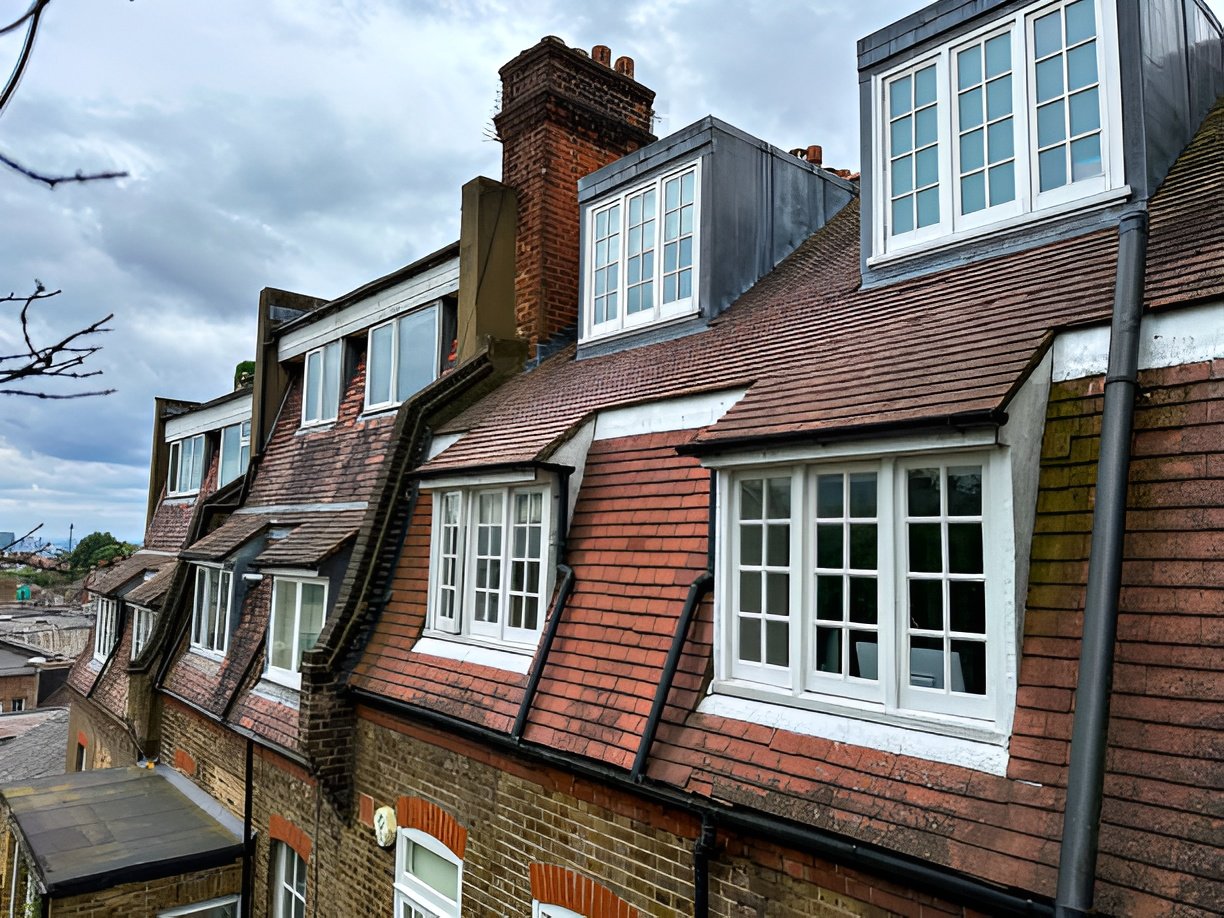 Tips to Avoid Wasting Money
To stay clear of home improvements that do not add value UK, follow these simple tips:
- Research your local area – Look at recent sales nearby to see what features attract higher prices.
- Think like a buyer – Would a typical family or couple pay extra for this improvement?
- Stay neutral – Keep colours, styles, and finishes simple.
- Focus on basics first – Repairs and maintenance always matter more than fancy extras.
- Get advice from estate agents – They know what sells in your location.
Final Thoughts
The property market in the UK is competitive. While home improvements can make a house more attractive, not all of them raise value. Many projects, such as luxury kitchens, bold décor, and high-tech extras, are home improvements that do not add value UK.
To make the best decisions, focus on practicality, energy efficiency, and timeless style. This way, you avoid costly mistakes, attract more buyers, and ensure your money works for you.