
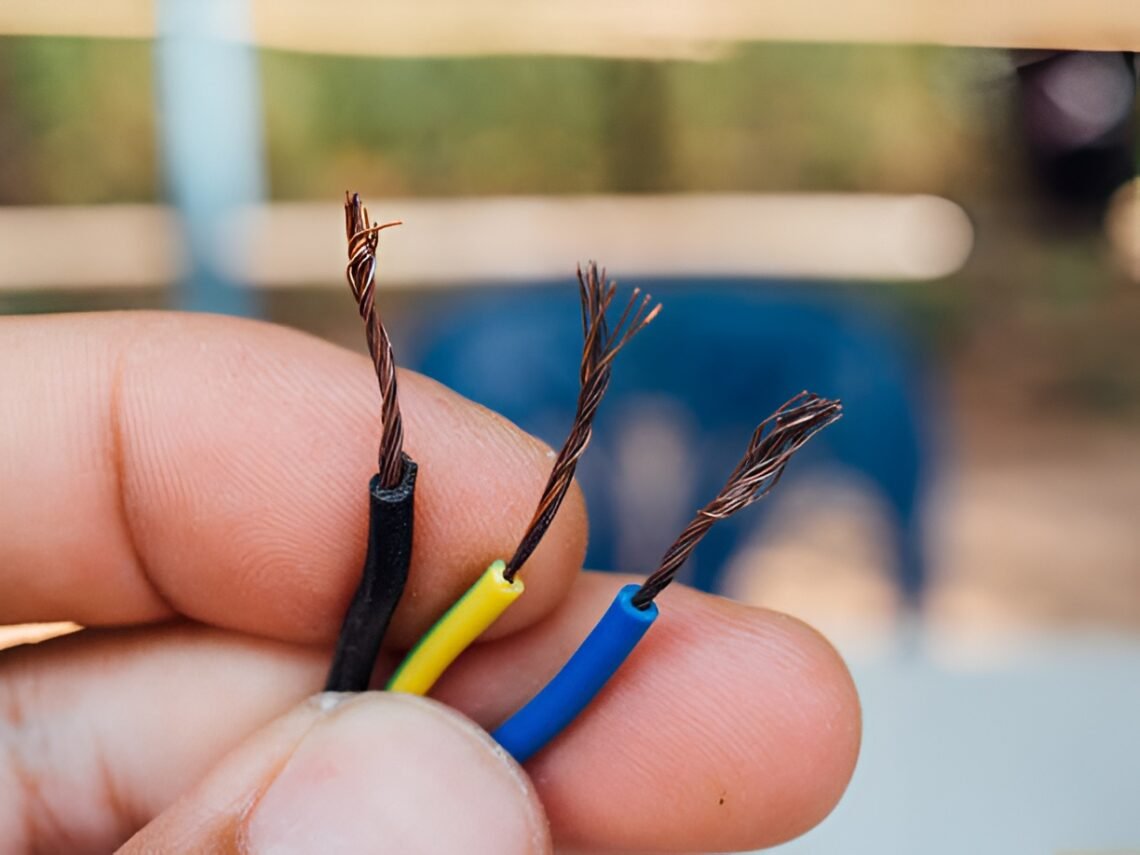
Working on electrical systems at home can be dangerous if you don’t know what you’re doing. One of the most important things to understand before any DIY electrical work is the live wire colour in UK wiring. Knowing the correct colours for live, neutral, and earth wires can help you stay safe and avoid costly mistakes.
Electrical wiring in the UK has standard colour codes, but they have changed over the years. This guide explains the current live wire colour, the differences in old wiring systems, and simple tips to identify wires safely before starting your DIY project.
Why Knowing the Live Wire Colour Matters
The live wire carries electricity from the power source to your appliances. Touching a live wire accidentally can cause electric shocks, fires, or damage to your equipment. That’s why it’s essential to correctly identify the live wire colour before handling any wires.
For DIY enthusiasts, knowing the live wire colour is also important when connecting new sockets, switches, or light fittings. Incorrect wiring can lead to malfunctioning electrical systems or even pose serious safety risks.
UK Wiring Colour Standards
In the UK wiring colours have been standardised under the IEC (International Electrotechnical Commission) system. Understanding the difference between old and new wiring colours is critical for anyone doing home electrical work.
Current Wiring Colour Codes (Post-April 2004)
- Live Wire (Phase): Brown
- Neutral Wire: Blue
- Earth Wire: Green and Yellow stripes
This colour coding applies to domestic and most commercial wiring in the UK. When handling new installations, the brown wire is always the live wire, so take care when connecting or touching it.
Old Wiring Colours (Pre-April 2004)
- Live Wire: Red
- Neutral Wire: Black
- Earth Wire: Green
Many older homes still have red live wires, so you need to check whether your home has old wiring before starting any DIY work. Mixing old and new wires without proper knowledge can be extremely dangerous.
How to Identify Live Wires Safely

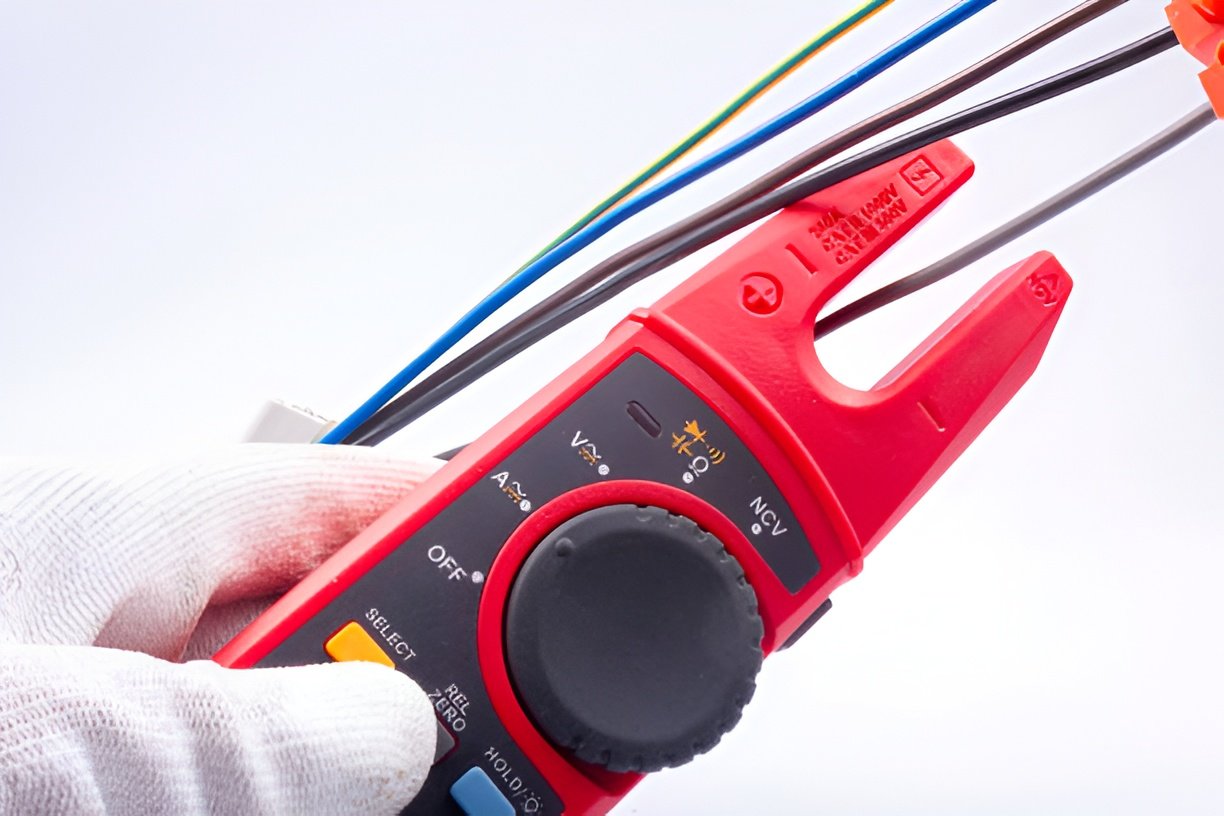
Even if you know the standard colour codes, it is important to verify wires before touching them. Here are some safe ways to check live wires:
- Turn Off Power at the Consumer Unit
Before handling any wiring, switch off the power supply to the circuit you’re working on. This reduces the risk of electric shocks. - Use a Voltage Tester or Multimeter
A voltage tester can tell you if a wire is live. Test each wire individually to ensure you correctly identify the live wire colour. - Check Wire Connections Carefully
Look at the wire terminals and ensure you understand the layout. Live wires are usually connected to switches or sockets, so pay attention to where each wire is going. - Inspect Wire Colour Against Standards
Compare the wire colour with the current UK wiring standards. Brown indicates live, blue indicates neutral, and green/yellow indicates earth. If you see old red wiring, assume it is live until verified.
Tips for DIY Electrical Work in the UK
While checking the live wire colour is a first step, there are other tips to ensure safety:
- Always work with one hand where possible to reduce the risk of current passing through your body.
- Wear insulated gloves when handling wires.
- Never attempt to join old and new wiring without proper knowledge.
- If unsure about any step, consult a qualified electrician.
Common Mistakes to Avoid
Many DIY enthusiasts make mistakes when dealing with live wires:
- Assuming all brown wires are live without testing.
- Forgetting to turn off the power before starting work.
- Confusing old wiring colours (red) with neutral wires.
- Using damaged or frayed wires.
Avoiding these mistakes ensures your safety and the longevity of your home’s electrical system.
Why Updating Old Wiring Is Important
Homes with old wiring systems often still have red live wires. Updating wiring to modern brown, blue, and green/yellow codes improves safety and makes future DIY work easier. It also reduces the risk of electrical faults, shocks, and fires.
Conclusion
Understanding the live wire colour is essential for safe DIY electrical work. In the UK, the current standard brown wire is live, blue is neutral, and green/yellow is earth. Always verify wiring with a tester, turn off the power, and follow safety procedures.
By learning how to check live wires safely, you can confidently carry out home improvements, replace fittings, and perform basic electrical tasks without putting yourself or your family at risk.