
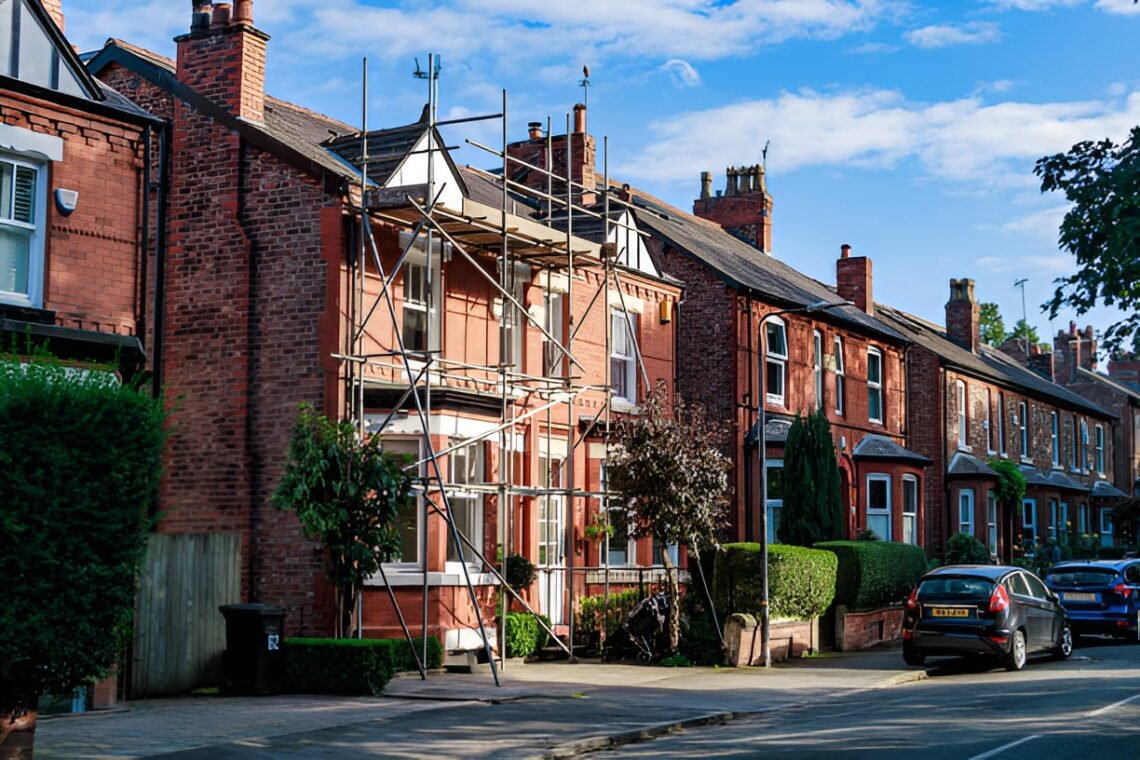
Home renovation projects are becoming more common across the UK as homeowners look for ways to add comfort, improve space, and increase the value of their property. Many people do not have the full savings to fund major upgrades, so they look for a remortgage for home improvements. This option has become one of the most popular ways to borrow money in 2025 because it allows you to release equity without taking on a separate loan.
In this guide, you will understand how a remortgage for home improvements works, the costs involved, who can qualify, and what to expect during the process. The goal is to help UK homeowners make the right financial decision before starting any renovation project.
What Is a Remortgage for Home Improvements?
A remortgage for home improvements means switching your current mortgage to a new deal to release some of the value built up in your home. This extra money can then be used to renovate your property. Many UK homeowners choose this method because it can offer lower interest rates compared to personal loans or credit cards.
Your home builds equity over time as you pay off your mortgage or if property prices rise. By using a remortgage for home improvements, you turn some of that equity into cash. People usually use it for kitchen upgrades, extensions, bathroom renovations, insulation, loft conversions, or outdoor improvements.
Why Homeowners Choose a Remortgage for Home Improvements
Many people prefer a remortgage for home improvements because it gives more borrowing power. Renovations have become more expensive in 2025, and a remortgage often offers better rates and spread-out payments, making it easier to manage. It can also help increase the value of the home, which may improve your long-term financial position.
Another reason is convenience. Instead of managing different loans, a remortgage for home improvements combines everything into one payment. This can make budgeting easier and reduce stress during major renovation projects. Many banks and building societies also offer flexible options for homeowners who want to borrow more.
How Much Can You Borrow When Using a Remortgage for Home Improvements?
The amount available depends on your home’s equity, income, credit score, and existing mortgage balance. Different lenders have different rules, but most will allow borrowing up to around 80–90% of your home’s value.
For example, if your home is worth £300,000 and your mortgage balance is £180,000, your equity is £120,000. A lender might allow you to borrow part of that for renovations. The exact amount depends on affordability checks, income proof, and property condition.
Using a remortgage for home improvements makes it easier to borrow larger sums, especially for major upgrades that require thousands of pounds.
How the Remortgage Process Works in the UK
When applying for a remortgage for home improvements, the process is similar to switching any mortgage deal. You contact a lender or broker, check your home value, and submit financial documents. A valuation will be arranged to confirm your property’s worth. Once approved, the new lender pays off your old mortgage and sends you the additional funds.
You receive the money directly into your account so you can start planning your project. Some lenders may ask how you plan to spend the money, especially for large renovation budgets. They want to ensure the project adds value and does not increase risk.
The whole process usually takes four to eight weeks, depending on the lender and how quickly documents are submitted.
Costs to Expect When Using a Remortgage for Home Improvements


There are a few costs to consider. The first is the new interest rate. Even if rates are lower today, the new rate will apply to the bigger mortgage balance. Over time, this can increase the total amount repaid. Some lenders also charge arrangement fees, valuation fees, or legal fees.
Make sure you compare deals before choosing a remortgage for home improvements. Sometimes, a fixed rate is better for long projects because it keeps payments stable. Other times, a tracker rate may offer short-term savings. Each option has pros and cons depending on your budget and financial plans.
If your existing mortgage has early repayment charges, you should check them. These fees apply if you leave your current deal before the end of its fixed term.
Is a Remortgage for Home Improvements Always Worth It?
A remortgage for home improvements can be worth it when the renovation adds value to your home. Upgrades like modern kitchens, extensions, energy-efficient windows, and loft conversions usually increase property value. This means you’re using your home’s equity in a productive way.
However, it may not be the right choice for every homeowner. If your income is unstable or if your current mortgage rate is very low, moving to a new rate could be costly. It also may not be the best option for small projects that require only a small budget.
Before deciding, think about your long-term goals, your financial comfort, and the type of renovation you want to complete.
Who Can Get a Remortgage for Home Improvements in the UK?
Lenders usually check income, job stability, credit score, outstanding debts, and the condition of the home. Most people with a stable income and enough equity can qualify for a remortgage for home improvements.
If your credit score is low, some lenders may still offer deals, but the rate may be higher. Owning a property in good condition also helps because it reduces risk for the lender. People planning major work often receive approval more easily when they show clear renovation plans.
How to Decide If a Remortgage for Home Improvements Is Right for You
Start by calculating how much money you need. Think about all costs, including labour, materials, and any surprises during the renovation. Compare this amount to the equity available in your home. If the numbers are realistic and manageable, a remortgage for home improvements can be a strong choice.
Also, consider your current lifestyle. If you plan to stay in the home for several years, investing in improvements makes sense. The comfort, value increase, and better energy efficiency can pay off over time.
Final Thoughts
A remortgage for home improvements has become one of the most popular ways for UK homeowners to fund renovation projects in 2025. It allows you to release equity, secure better interest rates, and complete upgrades that improve your home’s living space and market value. Before choosing this option, make sure you understand the costs, how much you can borrow, and whether it fits your long-term plans.