
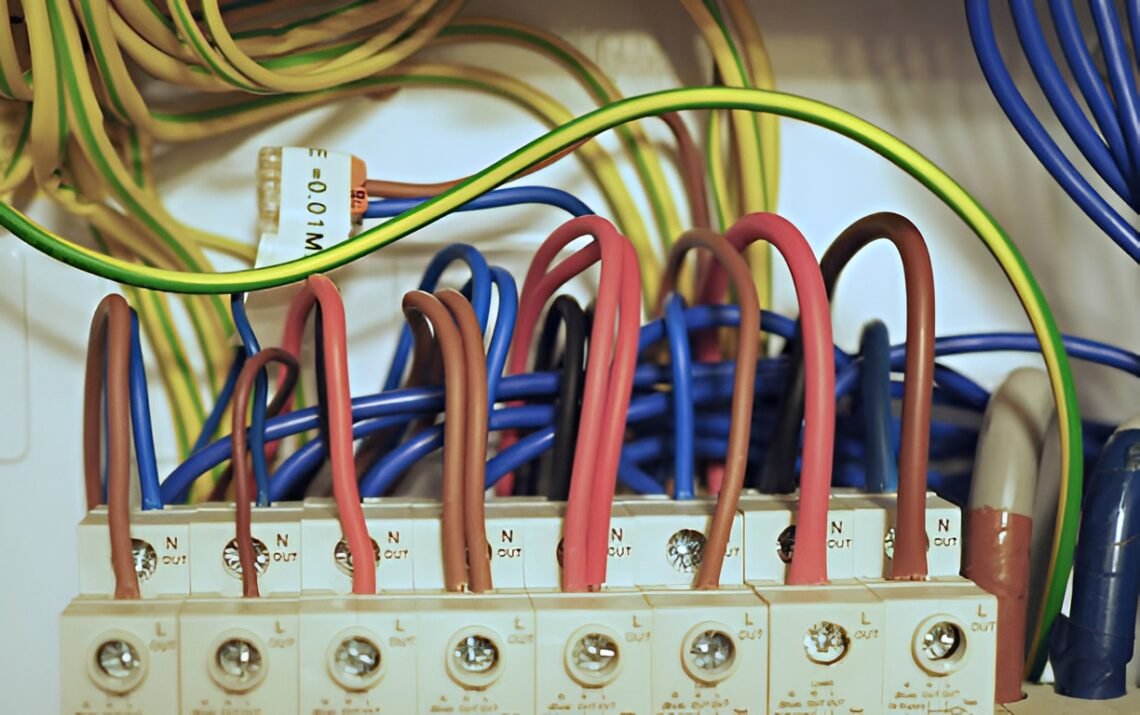
Understanding UK wiring colours is important for any homeowner, especially if you live in an older property or plan to make changes to your electrical system. Many homes across the UK still have a mix of old and new wiring, and this often causes confusion when people try to identify which wire does what. Safety should always come first, and knowing the meaning of each colour can prevent mistakes and help you understand what is happening inside your home.
This guide explains the old UK wiring colours, the new wiring colours, why they were changed, and how you can tell whether your home may need professional attention. The aim is to make everything clear and simple so that any UK homeowner can read and understand it without technical knowledge.
Why Wiring Colours Matter in UK Homes
Every wire in a home has a purpose. Some carry electrical current, some return it, and some protect you from danger. If you mix them up or misunderstand their role, it can lead to shocks, short circuits, or damaged appliances. That is why UK wiring colours are set by national standards. These colours help both professionals and homeowners recognise the role of each wire at a glance.
Over the years, the UK changed its wiring colour standards to match European rules. This means older homes may still have old colours, while new work uses modern colours. Knowing the difference helps you tell whether your wiring is up to date.
Old UK Wiring Colours (Before 2004)
Many houses built before the early 2000s still have old wiring colours. You will often find these in homes that have not been fully rewired or have a mixture of old and new circuits.
Old UK wiring colours were:
- Red – Live
- Black – Neutral
- Green – Earth (later changed to Green/Yellow)
These colours were used for decades, and electricians could easily recognise them. However, red and black were commonly used in many countries for different purposes. This sometimes led to misunderstandings when working across borders, which is one reason why the UK eventually updated its colour codes.
If you see lots of red and black wires in your home, this usually means the wiring is older. Old wiring does not always mean unsafe, but age can increase the chance of faults if the cables have started to wear out.
New UK Wiring Colours (After 2004 and Current in 2025)
In 2004, the UK changed wiring colours to match European standards. These new colours are still used today.
New UK wiring colours are:
- Brown – Live
- Blue – Neutral
- Green/Yellow – Earth
These colours are now the standard in all electrical work, including new builds, extensions, and renovations. If your home has brown and blue wires, it means the system has been updated at some point after the new rules were introduced.
Why the UK Switched to New Wiring Colours
Many homeowners wonder why the change was made in the first place. The update was done for several reasons:
To match European colour codes
Before the change, UK wiring colours were very different from those in many other countries. The update created a shared system across Europe, which made training and safety guidelines more consistent.
To reduce mistakes during installations
Electricians who worked internationally sometimes faced confusion when switching between UK and non-UK systems. A standard colour code helped reduce wiring errors.
To improve safety and clarity
The new colour scheme is designed to be easy to recognise and understand. Brown and blue are different enough to avoid confusion, especially for people who are not electricians.
How to Check Whether Your Home Uses Old or New Colours

You do not need to be an expert to spot the difference. Simply look at any visible wiring. The easiest places to see exposed wires are behind light fittings, inside plug sockets (if safely opened by a qualified person), or areas where wiring is visible, such as lofts or garages.
If you see red and black wires, the system is older.
If you see brown and blue wires, the system has been updated.
Many UK homes have a mixture of both, especially if only certain rooms were renovated. This is normal, but joining old and new wiring should only be done by a trained electrician.
Is Old UK Wiring Still Safe?
Old wiring can still be safe if it is in good condition. However, wires wear out over time due to age, heat, or damage. Many older homes were not designed to handle today’s high power usage from appliances, heating systems, and electronics.
Signs that old wiring may need attention include:
- flickering lights
- frequent blown fuses
- warm or buzzing sockets
- cracked cable insulation
- tripping circuits
If you notice any of these warning signs, it is best to have your wiring inspected. An electrician can check whether your home is safe or whether a full or partial rewire may help improve safety.
How Old and New Wiring Colours Are Used in Lighting Circuits
Lighting circuits can be confusing because they often include extra wires for switches. In older homes, you may see red, black, and sometimes yellow or blue wires. In new systems, you may see brown, blue, and grey.
Even if you spot brown and blue wires, it does not always mean everything is modern. Some older lighting circuits were updated only at the switch, not throughout the home.
Lighting circuits are one of the most common areas where homeowners make mistakes. If you are not sure about the colours you see, it is safer to get help rather than guess.
Choosing an Electrician for Wiring Checks
When dealing with wiring, it is always better to let a qualified professional handle the job. They can safely identify the UK wiring colours, check the age of your system, and recommend the best way to update or maintain it.
Look for electricians registered with:
- NICEIC
- NAPIT
- ELECSA
Registered professionals follow strict safety rules and can issue certificates for any work completed in your home.
Should You Update Old Wiring?
Although the old UK wiring colours are not directly unsafe, older cables and accessories may no longer meet modern safety standards. Updating your wiring provides peace of mind, better performance, and improved safety for your home.
If your property is older than 30 years and has not been rewired, it may be worth having a full inspection. Many homeowners choose to update wiring when renovating a kitchen, bathroom, or loft because it is easier to access the walls and floors.
Final Thoughts
Understanding UK wiring colours helps you stay informed about the condition of your home and the safety of your electrical system. Knowing the difference between old and new colours makes it easier to recognise what type of wiring you have and when your home may need professional work. The change from red and black to brown and blue has made modern systems clearer and more consistent, giving homeowners a simple way to understand the basics of their electrical setup.
If you spot signs of ageing wires or mixed colours throughout your home, it may be time to get the system checked. A safe electrical system protects your family, your appliances, and your property, making it an important part of any home in the UK.