Replacing old or damaged windows can make a big difference to a home. New windows help keep heat inside, reduce draughts, and lower energy bills. For many low-income households in the UK, however, the cost of window replacement can feel out of reach. This is where window replacement grants can make a real difference.
Across the UK, several schemes exist to help households improve energy efficiency, especially where income is limited. While there is no single grant that suits everyone, support is available through government-backed programmes, local councils, and energy efficiency initiatives. Understanding how these grants work, who qualifies, and how to apply can help households get the support they need without unnecessary stress.
Why Window Replacement Matters for Low-Income Households
Older windows are one of the main causes of heat loss in UK homes. Single glazing, damaged frames, or poorly fitted windows allow cold air in and warm air out. This leads to higher heating costs, which can be difficult to manage on a low income.
For households already struggling with rising energy prices, inefficient windows can make winter especially challenging. Cold homes can also affect health, increasing the risk of respiratory problems, joint pain, and damp-related issues. Replacing windows is not just about comfort; it can improve overall well-being and reduce long-term household costs.
Because of these benefits, window replacement is often included as part of wider energy efficiency support schemes aimed at helping low-income households live in warmer, healthier homes.
Are There Specific Window Replacement Grants in the UK?
In most cases, window replacement grants are not offered as a stand-alone scheme. Instead, they are included within broader energy efficiency programmes. These programmes focus on improving insulation, heating systems, and overall energy performance, with windows sometimes covered where they are causing significant heat loss.
This means eligibility depends less on the windows alone and more on household income, benefits received, property condition, and energy efficiency ratings. While this can seem confusing at first, it also means many households qualify for help without realizing it.
Who Is Considered a Low-Income Household?
Low-income households are usually identified based on income level or receipt of certain benefits. This often includes people receiving Universal Credit, Pension Credit, Income Support, or other means-tested benefits. In some cases, low household income combined with high energy costs can also meet eligibility criteria.
Pensioners, families with young children, people with disabilities, and those living with long-term health conditions are often prioritised. Each scheme has its own rules, so eligibility can vary depending on where you live and which programme is available at the time.
Government Schemes That May Cover Window Replacement
One of the main sources of support is the Energy Company Obligation scheme, often known as ECO. This government-backed programme requires energy suppliers to help improve energy efficiency in low-income and vulnerable households. While ECO is commonly associated with insulation and heating upgrades, window replacement may be included in certain situations where it significantly improves the home’s energy rating.
Local authorities also play an important role. Many councils run their own home improvement or energy efficiency schemes, sometimes funded by central government or regional grants. These local schemes may offer help with window replacement, especially in homes with serious draught or heat loss issues.
Another source of support can come from housing associations and social landlords. Tenants in social housing may be eligible for window upgrades as part of planned improvement works or energy efficiency programmes.
How Window Replacement Is Assessed
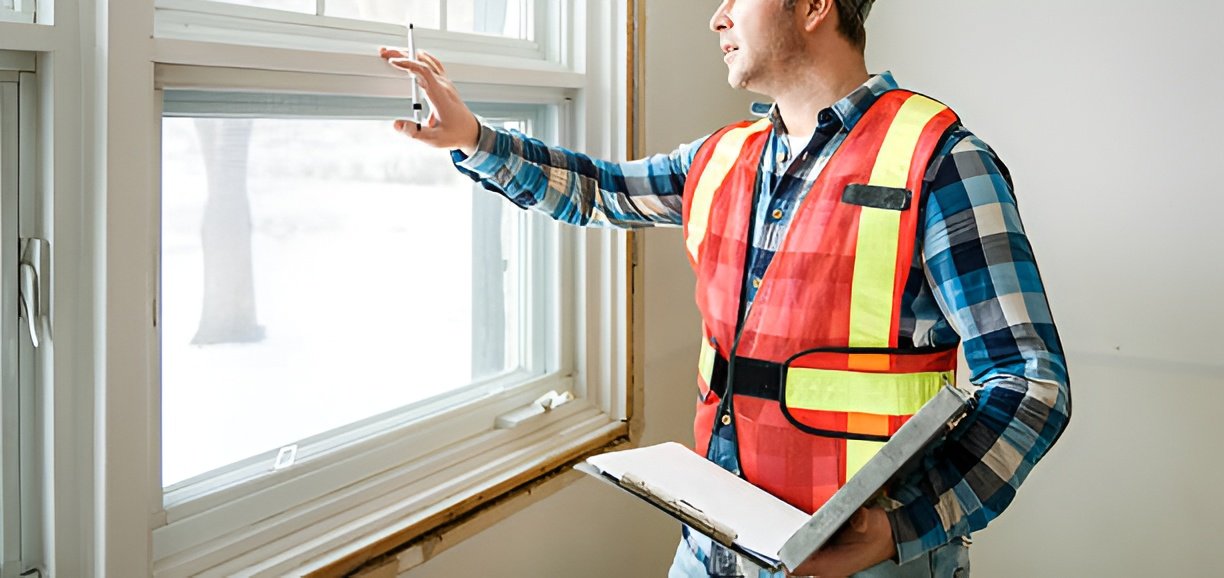
Before any grant is approved, an assessment is usually carried out. This may involve an energy assessment of the property, often using an Energy Performance Certificate. The assessor looks at how heat is lost from the home and whether replacing windows would make a meaningful improvement.
If windows are in very poor condition or are single-glazed, they are more likely to be considered for replacement. In some cases, repairs or draught-proofing may be offered instead if full replacement is not considered necessary.
It is important to understand that grants focus on value and impact. The goal is to reduce energy use and improve living conditions, not to upgrade windows for cosmetic reasons alone.
How to Apply for Window Replacement Grants
The application process usually starts with checking eligibility. This can be done through your local council, an energy advice service, or organisations involved in delivering energy efficiency schemes. Many councils have dedicated pages on their websites explaining available support and how to apply.
Once eligibility is confirmed, an assessment is arranged. If the property qualifies, the work is approved and carried out by approved installers. In many cases, the household does not need to pay upfront, although partial contributions may apply depending on the scheme.
It is always important to use trusted sources and avoid companies that promise “free windows for everyone”. Genuine schemes will never pressure you or ask for large fees before an assessment.
What Costs Are Usually Covered
When window replacement is approved, the grant typically covers standard energy-efficient double glazing that meets current regulations. The focus is on function and efficiency rather than design upgrades.
Some schemes cover the full cost, while others may require a small contribution from the household. This depends on funding levels, household circumstances, and the extent of the work needed.
Common Reasons Applications Are Rejected
Applications are sometimes declined because the household does not meet income criteria or because the property already meets energy efficiency standards. In other cases, window replacement may not be considered the most effective improvement compared to insulation or heating upgrades.
Rejection does not always mean no help is available. It may be worth checking local council schemes or seeking independent energy advice to explore other options.
Getting Reliable Advice and Avoiding Scams
Because grants are in high demand, misinformation is common. It is always best to seek advice from official sources such as your local council, government-backed energy advice services, or recognised charities.
Be cautious of unsolicited calls or adverts claiming guaranteed free windows. Legitimate schemes follow a clear process and never guarantee approval without checks.
Final Thoughts
Window replacement grants for low-income households in the UK are real, but they are usually part of wider energy efficiency support rather than a simple one-off grant. For households struggling with cold homes and high energy bills, these schemes can make a genuine difference to comfort, health, and long-term costs.
The key is to understand how the system works, check eligibility carefully, and apply through trusted channels. With the right information and support, many households can access help they did not realise was available, making their homes warmer, safer, and more affordable to live in.