Solar energy has become one of the most popular ways to power homes while reducing electricity costs and protecting the environment. However, simply installing solar panels does not guarantee maximum output. To get the most from your investment, focusing on solar energy efficiency is key. Efficiency determines how much of the sunlight that hits your panels is converted into usable electricity. Improving this efficiency not only saves money but also reduces your environmental impact.
In this article, we will explore 10 practical ways to improve solar energy efficiency at home. Each tip is easy to follow and designed to help homeowners maximize the benefits of their solar system.
Why Solar Energy Efficiency Matters
Solar energy efficiency is more than a technical term it directly affects your energy savings and the performance of your solar panels. Higher efficiency means your panels produce more electricity from the same amount of sunlight. This can reduce your reliance on the grid, lower your electricity bills, and help you get the most out of your solar investment.
Efficient solar systems also have a smaller carbon footprint, making your home more environmentally friendly. Even small improvements in solar energy efficiency can lead to significant savings over time, especially if your household relies heavily on electricity for heating, cooling, and appliances.
1. Regular Cleaning of Solar Panels
Dirt, dust, bird droppings, and leaves can accumulate on your panels over time, reducing their ability to absorb sunlight. Regular cleaning is one of the simplest ways to improve solar energy efficiency. Use a soft brush or a sponge with water to gently clean the panels. Avoid harsh chemicals that could damage the surface.
Cleaning does not need to be done daily once every few months is usually enough, but more frequent cleaning may be needed in dusty or rainy areas. Maintaining clean panels ensures they capture the maximum sunlight, boosting solar energy efficiency throughout the year.
2. Optimize Panel Angle and Orientation
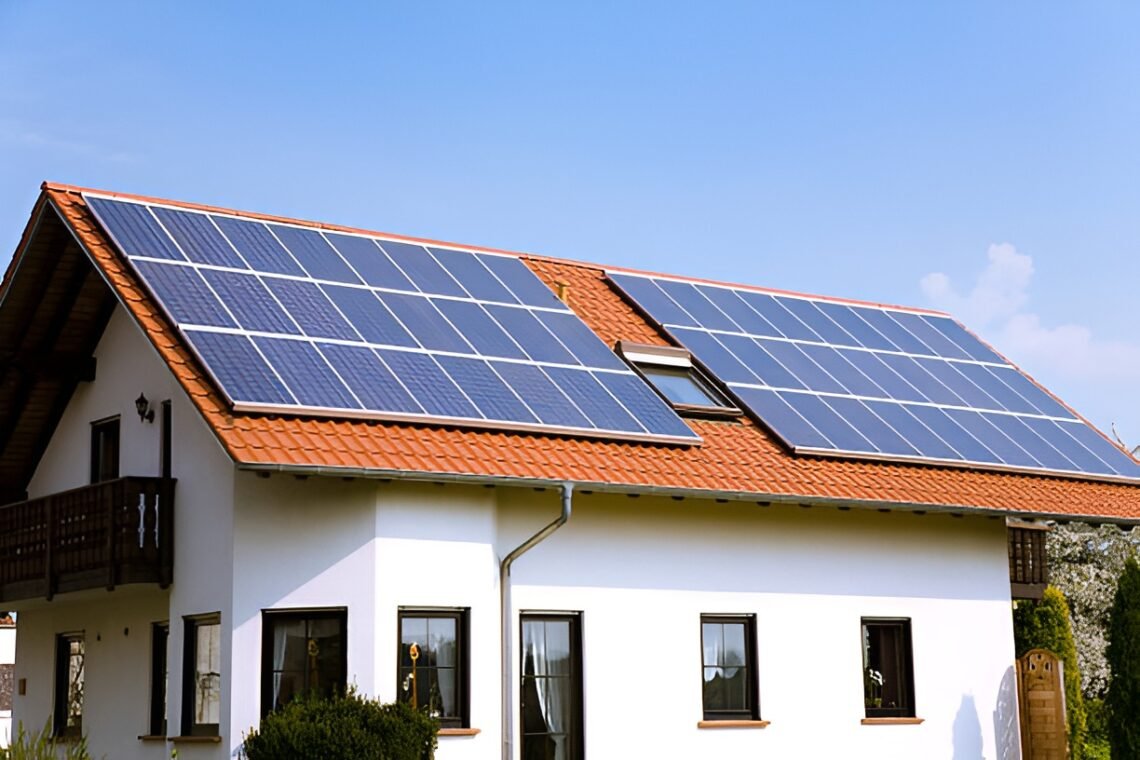
The angle and direction of your solar panels affect how much sunlight they receive. To improve solar energy efficiency, ensure panels face the sun as directly as possible. In the northern hemisphere, this usually means a south-facing orientation, while in the southern hemisphere, panels should face north.
The tilt angle should also match your local latitude for the best year-round performance. Some homeowners adjust the tilt seasonally, especially if they rely heavily on solar energy during winter or summer months. Optimizing panel orientation and angle ensures your system captures maximum sunlight, improving overall solar energy efficiency.
3. Remove Shade and Obstructions
Shadows from trees, buildings, or other structures can significantly reduce the output of solar panels. Even partial shading on one panel can affect the performance of the entire system.
Regularly inspect your property and trim overgrown trees or branches that cast shadows on your panels. If shading cannot be avoided, consider installing panels in multiple locations or using microinverters, which allow each panel to operate independently. Reducing shade is a simple but effective way to enhance solar energy efficiency in your home.
4. Upgrade to High-Efficiency Panels
Not all solar panels are created equal. Some models have higher efficiency ratings, which means they convert more sunlight into electricity. If you are installing new panels or replacing old ones, investing in high-efficiency options can significantly improve solar energy efficiency.
Modern panels use advanced materials and technology to capture more sunlight and produce more electricity in less space. While these panels may cost more upfront, the long-term energy savings often outweigh the initial investment, making them a smart choice for homeowners focused on solar energy efficiency.
5. Use Solar Trackers
For homeowners looking for maximum output, solar trackers can be a useful addition. Solar trackers adjust the position of your panels throughout the day to follow the sun, ensuring they receive the most sunlight possible.
While not necessary for every home, solar trackers can increase solar energy efficiency by 10–25% in some cases. They are particularly effective for larger installations or areas with consistent sunlight. Consider this option if you want to take your solar system’s performance to the next level.
6. Monitor System Performance Regularly
Monitoring your solar system helps you understand its performance and identify issues early. Many solar systems now come with apps or monitoring tools that show real-time energy production and highlight any problems.
By keeping an eye on your system, you can quickly address problems such as inverter faults, wiring issues, or panel shading. Regular monitoring ensures that your solar panels consistently operate at high solar energy efficiency.
7. Maintain Inverters and Electrical Components
The inverter is a critical part of your solar system, converting the DC electricity from your panels into usable AC power for your home. Poor maintenance of inverters and other electrical components can reduce solar energy efficiency.
Check connections, wiring, and the inverter periodically for signs of wear or malfunction. Having a professional inspect your system annually can prevent energy loss and keep your solar panels performing optimally.
8. Use Energy-Efficient Appliances
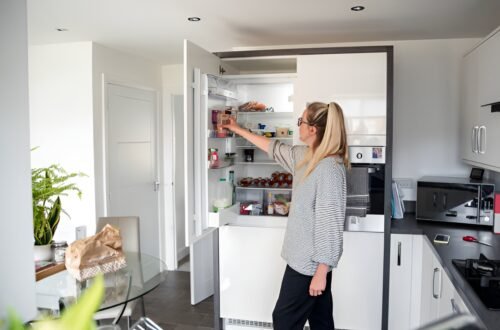
Efficiency is not just about your solar panels; it’s also about how you use electricity. Using energy-efficient appliances reduces the load on your solar system, which indirectly improves solar energy efficiency by making the most of the power your panels generate.
LED lighting, energy-efficient refrigerators, and smart thermostats are simple ways to reduce electricity consumption. By pairing solar energy with efficient appliances, you maximize the benefits of your system and lower your overall energy bills.
9. Consider Battery Storage
Battery storage allows you to save excess energy generated by your solar panels for use later, rather than sending it back to the grid. This helps improve solar energy efficiency by ensuring that no electricity is wasted.
Batteries are especially useful during cloudy days or at night when your panels are not producing electricity. They allow homeowners to rely more on solar energy and reduce dependence on grid power. While batteries add cost, the improvement in efficiency and energy independence can be significant.
10. Insulate Your Home and Reduce Energy Waste
Finally, improving your home’s insulation and reducing energy waste complements solar energy efficiency. Even the most efficient solar panels cannot offset energy lost through poor insulation, drafts, or inefficient appliances.
Seal windows and doors, insulate walls and attics, and use energy-saving lighting and heating solutions. By reducing energy demand, you allow your solar system to cover more of your electricity needs, effectively improving solar energy efficiency.
Practical Summary: Quick Tips for Homeowners
- Clean your panels regularly
- Adjust panel angles and orientation
- Remove any shade or obstructions
- Upgrade to high-efficiency panels
- Consider solar trackers for advanced setups
- Monitor performance and maintain inverters
- Use energy-efficient appliances
- Install battery storage
- Improve home insulation
Even small changes can make a noticeable difference in solar energy efficiency, leading to higher energy output and lower electricity bills.
Conclusion
Improving solar energy efficiency at home is not difficult, but it requires attention to detail and consistent maintenance. By cleaning panels, optimizing angles, reducing shade, upgrading technology, and monitoring performance, homeowners can maximize the benefits of their solar systems. Using energy-efficient appliances, considering battery storage, and improving home insulation further boost efficiency.
These steps not only save money but also reduce your environmental impact. Whether you are a new solar panel owner or looking to improve an existing system, following these tips ensures your solar energy system works at its best. Investing time and care in solar energy efficiency allows you to enjoy reliable, cost-effective, and sustainable energy for years to come.