
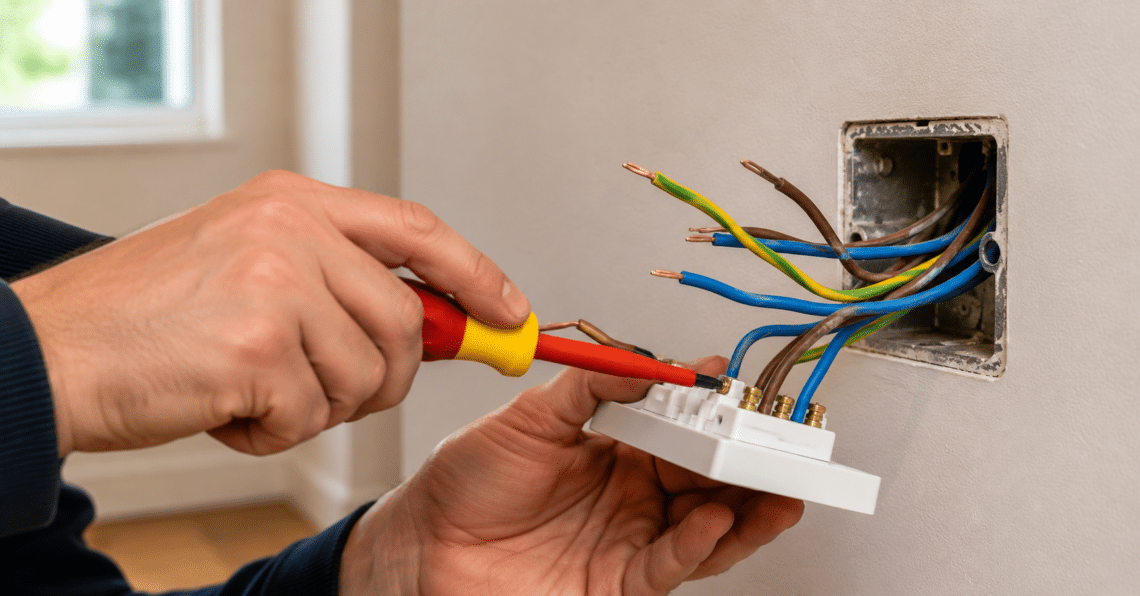
Electrical work requires careful attention to safety, especially when identifying wiring correctly. One of the most important things homeowners and electricians must understand is standards. Recognising the correct wire colours helps prevent electric shock, equipment damage, and wiring mistakes that could lead to serious hazards.
In the UK, electrical wiring colours have changed over time, which means older properties may use different colour schemes from newer installations. Understanding live wire colour uk regulations is essential for anyone working on lighting circuits, sockets, or household electrical systems.
Understanding UK Wire Colours
Modern UK electrical wiring follows harmonised European colour standards. The live wire is typically brown, the neutral wire is blue, and the earth wire is green and yellow striped.
Knowing live wire colour uk requirements helps identify which conductor carries electrical current and which wires provide neutral return and safety grounding.
Modern UK wiring colours
| Function | Colour |
| Live | Brown |
| Neutral | Blue |
| Earth | Green and yellow striped |
The Live Wire
The live conductor carries the electrical current from the power supply to the appliance or circuit, delivering the energy needed for it to operate properly.
The Neutral Wire
The neutral conductor returns current back to the supply under normal operation, completing the electrical circuit and allowing electricity to flow safely and efficiently.
The Earth Wire
The earth conductor provides a safety path to reduce the risk of electric shock if a fault occurs, helping to safely direct excess electrical current away from users and equipment.
Older UK Wiring Colours
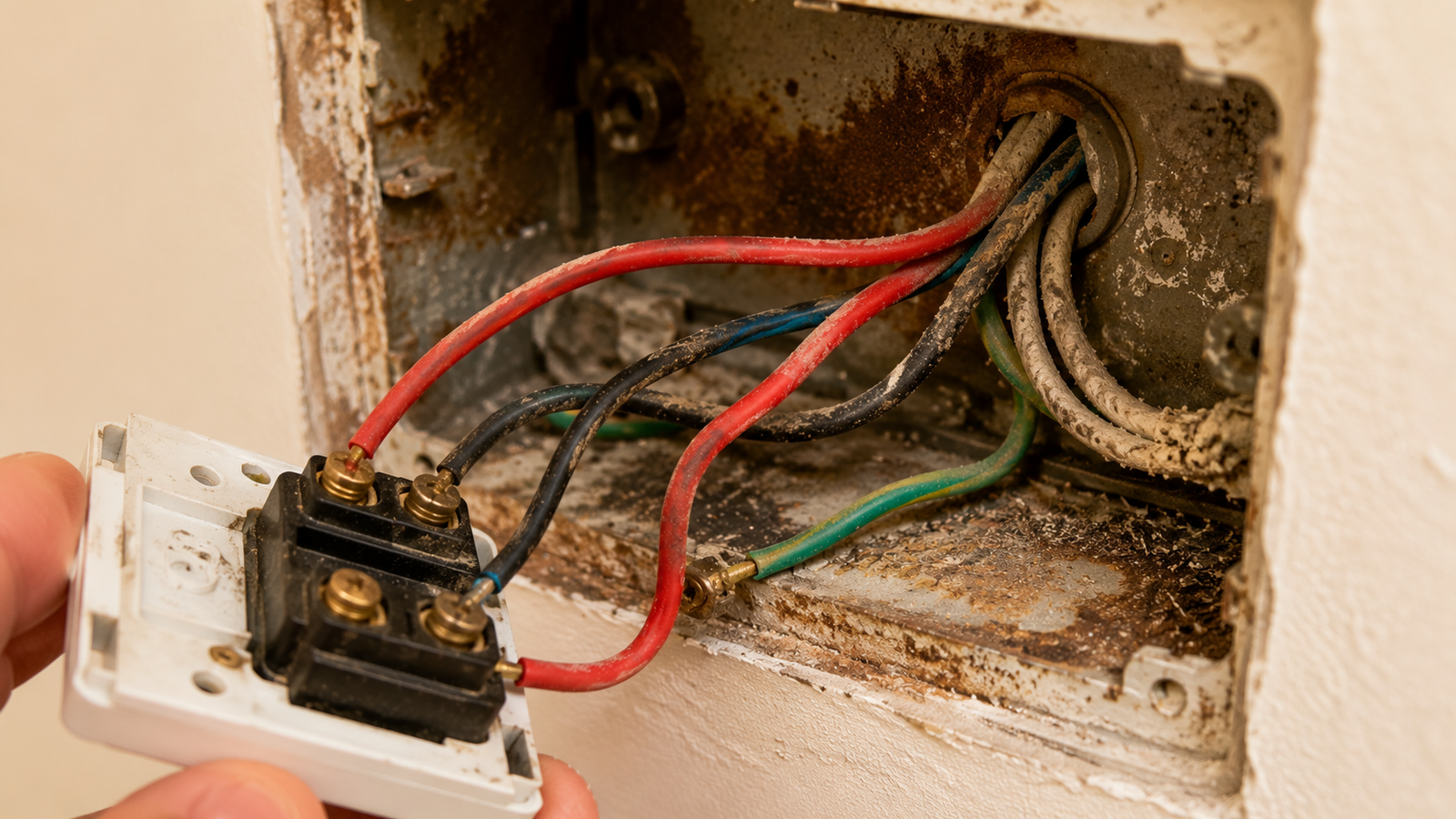
Many properties built before the colour change may still contain older wiring. Historically, the live wire was red, the neutral wire was black, and the earth wire was green or green and yellow.
When dealing with older installations, understanding live wire colour uk history becomes especially important because mixing old and new wiring can create confusion.
Older UK wiring colours
| Function | Older colour |
| Live | Red |
| Neutral | Black |
| Earth | Green or green and yellow |
Why Older Colours Matter
Older properties may contain a mix of wiring generations, so identification should never rely on colour alone, and proper testing and verification are always necessary for safety.
Why Correct Identification Matters
Incorrectly identifying wires can result in dangerous mistakes during installation, repair, or maintenance. Even if a wire appears disconnected, it may still be energised.
The importance of live wire colour uk knowledge is directly related to electrical safety and compliance with UK wiring regulations.
Risk of Electric Shock
Touching a live conductor can cause serious injury or death, as it can result in severe electric shock or burns due to the high voltage current.
Risk of Equipment Damage
Connecting wires incorrectly can damage appliances and electrical devices, potentially leading to short circuits, malfunctions, or permanent equipment failure.
Safe Electrical Working Practices
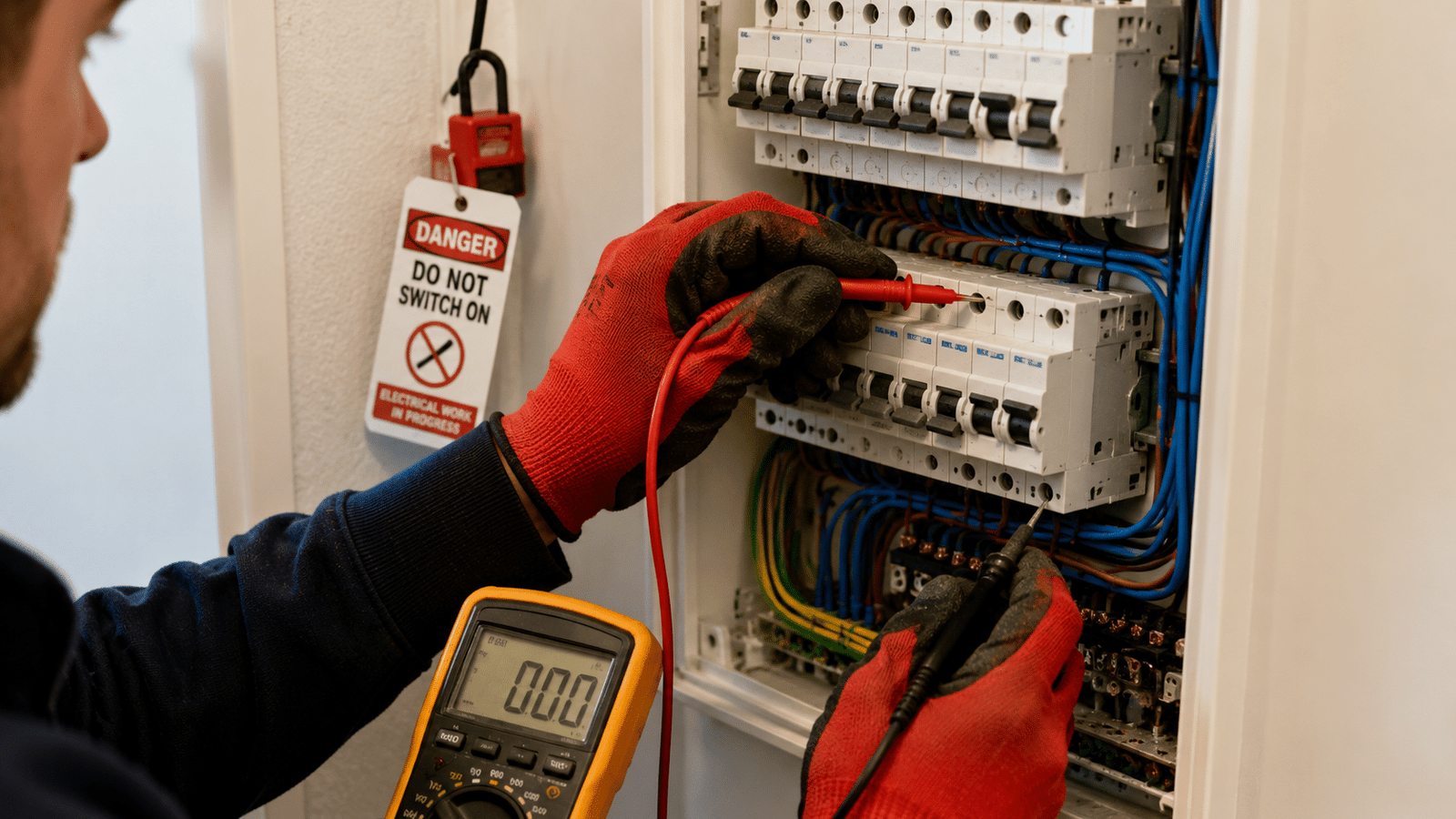
Before performing any electrical work, the power supply should be isolated and verified as dead using appropriate testing equipment. Never rely solely on wire colour for identification.
Understanding live wire colour uk standards is useful, but safe testing procedures remain the most important protection against accidents.
Important
Essential safety steps
- Switch off the relevant circuit at the consumer unit.
- Lock off the circuit where possible to prevent accidental reconnection.
- Test for voltage using approved equipment.
- Confirm the circuit is dead before touching any conductors.
Testing Instead of Guessing
Professional electricians use voltage testers and continuity testers to confirm conductor function. Wire colours can provide guidance, but testing provides certainty.
When learning information, remember that colours should never replace proper electrical testing procedures.
Professional Verification
Testing equipment confirms whether a conductor is live, neutral, or earth regardless of colour, ensuring accurate identification and safer electrical work.
Common DIY Mistakes
Many electrical accidents occur because people assume wire colours are always correct. In some properties, previous repairs may have used incorrect colours or undocumented modifications.
The growing awareness of live wire colour uk standards helps reduce these mistakes, but caution is still essential.
Assuming Colours Are Correct
Previous work may not follow current standards, so older installations should always be checked carefully before any further electrical work is carried out.
Working on Energised Circuits
Some people attempt repairs without fully isolating the supply, which is extremely dangerous and can lead to severe electric shock, injury, or fatal accidents.
Changes Introduced in the UK
The UK adopted harmonised wiring colours to align with European standards. This change affected fixed electrical installations and required electricians to adapt to the new colour scheme.
Understanding live wire colour uk changes is useful when inspecting properties built during the transition period.
Mixed Wiring Systems
Some homes may contain both old and new colours, requiring careful identification during maintenance to ensure correct wiring interpretation and safe electrical work.
When to Call a Qualified Electrician
Homeowners should avoid undertaking complex electrical work unless they are competent and authorised to do so. Fault finding, consumer unit work, and circuit modifications should generally be handled by qualified professionals.
The importance of live wire colour uk knowledge does not replace professional expertise when dealing with complicated or high-risk installations.
Signs Professional Help Is Needed
- Frequent circuit breaker trips.
- Burning smells near electrical fittings.
- Exposed or damaged wiring.
- Uncertainty about wire identification.
Regulations and Compliance
Electrical work in the UK must comply with the BS 7671 IET Wiring Regulations. These regulations cover installation methods, testing, safety requirements, and conductor identification.
Knowing standards helps support compliance, but full regulatory understanding involves much more than wire colours alone.
Importance of Compliance
Properly installed electrical systems reduce the risk of fire, electric shock, and equipment failure by ensuring safe connections, correct load handling, and reliable operation.
Final Thoughts
Correct wire identification is a fundamental part of electrical safety in the UK. Modern installations typically use brown for live, blue for neutral, and green/yellow for earth, while older properties may still contain red and black conductors.
The growing importance of live wire colour uk knowledge reflects the need for safer DIY work, better maintenance practices, and compliance with current regulations.
Ultimately, awareness helps homeowners and electricians work more safely, reduce electrical risks, and maintain reliable installations throughout homes and workplaces.
Frequently Asked Questions (FAQs)
What colour is the live wire in modern UK wiring?
In modern UK electrical installations, the live wire is brown, following the harmonised wiring colour standards that replaced the older colour system for improved safety and consistency.
What colour is the neutral wire in the UK?
The neutral wire is blue in modern UK wiring systems, in line with harmonised standards used for safer and more consistent electrical identification.
Why did UK wire colours change?
The UK changed its wiring colours to align with European electrical standards and improve consistency across installations, making electrical systems more uniform and safer to work with across different regions.
Can older properties have different wire colours?
Yes, older properties may use red for live and black for neutral, which were the previous UK wiring colours used before the system was updated to the current harmonised standards.
Is it safe to identify wires by colour alone?
No, wire colours should not be relied upon as the sole method of identification, as proper testing equipment should always be used to confirm wiring safely and accurately.
When should I contact a qualified electrician?
You should contact a qualified electrician if you are unsure about wiring, notice damaged cables, experience repeated electrical faults, or need major electrical work carried out.