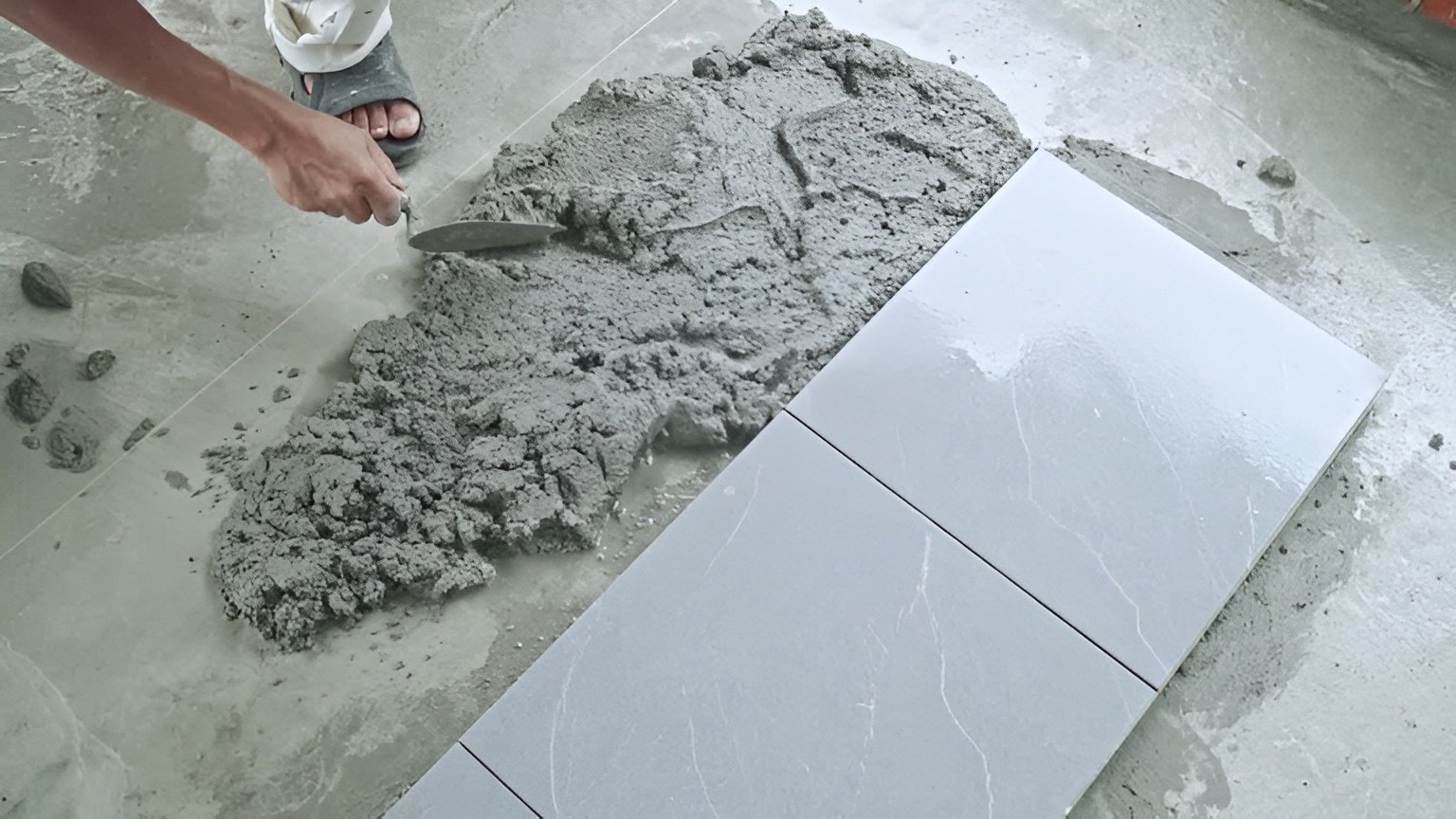
Porcelain tiles have become one of the most popular choices for homeowners and builders. They are stylish, durable, and versatile enough for both indoor and outdoor use. But when it comes to installation, many people ask the same question: can you lay porcelain tiles on sand and cement?
The answer is not as simple as a yes or no. While it is possible in some cases, it comes with pros, cons, and best practices you should follow to ensure a long-lasting result. Let’s explore everything you need to know before you decide to use sand and cement for your porcelain tile project.
Why Homeowners Consider Sand and Cement for Porcelain Tiles
Traditional tiling often uses modern adhesives, but many homeowners still prefer sand and cement because it’s affordable and easy to mix. Outdoor patios, driveways, and garden paths often rely on a sand and cement base because it feels sturdy and familiar.
So, when the question arises, can you lay porcelain tiles on sand and cement, the motivation usually comes from cost-saving and convenience. But before rushing into it, it’s important to know what works and what might go wrong.
The Pros of Using Sand and Cement
If you decide to lay porcelain tiles on sand and cement, here are the advantages:
Cost-Effective Option
Cement and sand are cheaper than specialized adhesives. For large outdoor areas, this can make the project more budget-friendly.
Readily Available Materials
Sand and cement are easy to find at local hardware stores. You don’t need special adhesives or expensive bonding agents.
Traditional Method for Outdoor Use
For paving or garden projects, many builders use a sand and cement mortar bed. With proper preparation, it can effectively hold tiles in exterior spaces.
The Cons of Laying Porcelain Tiles on Sand and Cement
While the benefits sound tempting, the disadvantages explain why this method isn’t always recommended.
Weak Bonding to Porcelain
Porcelain tiles are dense and less porous, which makes it harder for sand and cement to bond directly. Without adhesive, tiles can loosen over time.
Risk of Cracking and Movement
If the mix is not done properly or the ground shifts, tiles may crack. This is one of the biggest complaints from those who tried to lay porcelain tiles on sand and cement without proper preparation.
Moisture Issues
Outdoor settings often expose tiles to rain and water. A simple sand and cement mix may absorb moisture, which can cause frost damage or weaken the structure in colder climates.
 Best Practices for Using Sand and Cement with Porcelain Tiles
If you’re still wondering, can you lay porcelain tiles on sand and cement? The answer is yes, but only if you follow best practices carefully.
Prepare a Solid Sub-Base
Start with a strong, compacted sub-base of hardcore or gravel. This prevents movement underneath the tiles. A weak base is the number one reason tiles shift or break.
Use the Right Sand-Cement Ratio
A common ratio is 4:1 (four parts sharp sand to one part cement). The mixture should be firm but workable, not too dry and not too wet.
Apply a Slurry Primer
One of the best tips is to coat the back of porcelain tiles with a slurry primer (cement mixed with adhesive and water). This creates a strong bond between the tile and the mortar bed.
Allow for Drainage
When using sand and cement outdoors, always include a slight slope so water can drain away. Standing water will damage your tiles over time.
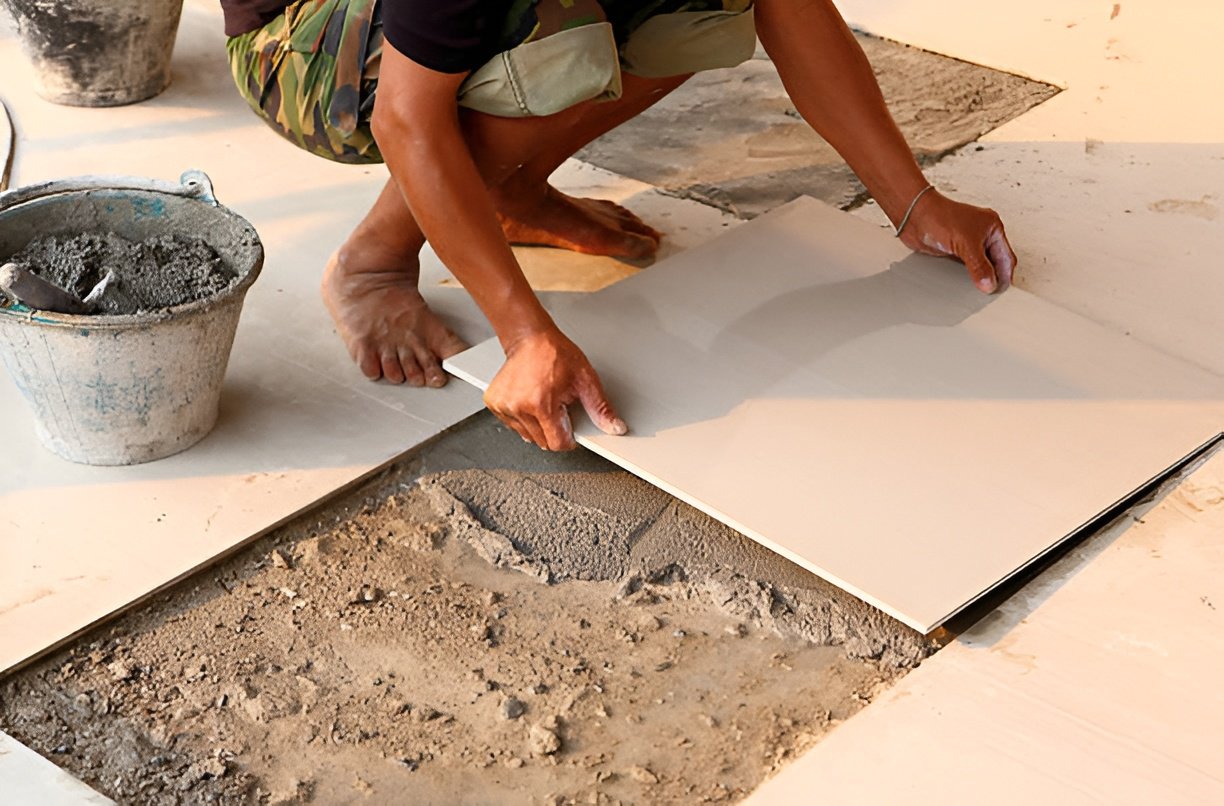
Tap Tiles Firmly into Place
Use a rubber mallet to press tiles evenly into the bed. This ensures full contact and reduces the risk of hollow spots underneath.
Seal Joints Properly
Once the tiles are set, grout or jointing compound should be applied carefully to prevent moisture penetration.
When to Avoid Sand and Cement
Even though you can lay porcelain tiles on sand and cement, sometimes it’s better to avoid it altogether.
- Indoor installations: Always use tile adhesive indoors. Sand and cement may not give the secure bond needed for kitchens, bathrooms, or living areas.
- High traffic areas: Driveways or commercial areas need stronger bonding methods to handle weight and pressure.
- Wet or cold climates: Constant exposure to frost or heavy rain can weaken the mortar bed and lead to early failure.
Alternatives to Sand and Cement
If you’re unsure about using sand and cement, consider these alternatives:
- Flexible tile adhesive: Designed for porcelain tiles, this ensures maximum bond strength.
- Ready-made mortar adhesives: A modern solution that combines the convenience of mortar with better bonding qualities.
- Pedestal systems: For outdoor patios, these allow porcelain tiles to sit securely without mortar while still allowing drainage.
Final Thoughts
So, can you lay porcelain tiles on sand and cement? Yes, you can, but it comes with conditions. For outdoor spaces like patios or garden paths, a well-prepared sand and cement mortar bed can work if you follow best practices like using a primer, proper ratios, and drainage.
However, for indoor spaces or high-traffic areas, tile adhesive remains the safest and most durable option.
By weighing the pros and cons and following the right installation methods, you can enjoy the strength and beauty of porcelain tiles for many years to come.