
Buying a new fridge or freezer might seem like a small decision, but it affects your home every single day. These appliances never switch off, which means the wrong choice can quietly add extra pounds to your electricity bill year after year. In the UK, where energy costs are still a concern for many households, choosing an energy efficient fridge and freezer has become more important than ever.
Many people focus on design or price first, then think about energy use later. In reality, energy efficiency should be one of the first things you look at. A well-chosen appliance will cost less to run, last longer, and do its job without fuss. This guide explains how to choose the right one in plain English, without technical jargon.
Why Energy Efficiency Matters in Everyday UK Homes
A fridge or freezer runs 24 hours a day. Even when you are asleep or away from home, it is still using electricity to keep food cold and safe. Because of this constant use, small differences in efficiency can make a big difference over time.
Older appliances, especially those bought more than ten years ago, often use far more energy than modern models. They were built to older standards, at a time when electricity was cheaper, and efficiency rules were less strict. Replacing one old appliance with an energy efficient fridge and freezer can reduce your energy use straight away.
There is also peace of mind. When you know your appliance is efficient, you don’t have to worry every time energy prices rise.
Understanding UK Energy Labels Without the Confusion
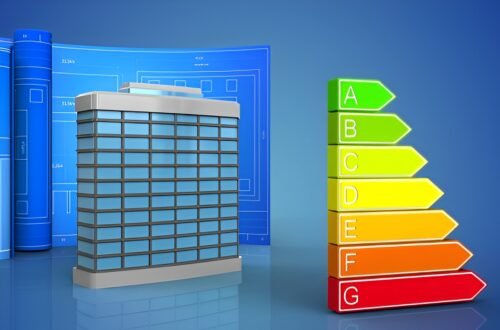
Energy labels are used to show ratings like A+, A++, and A+++. These labels are no longer used in the UK. They were replaced with a simpler system that runs from A to G.
This change has confused a lot of people. A fridge rated C today can actually be more efficient than an older A+++ model from years ago. The standards are stricter now, so the letters mean something different.
Instead of focusing only on the letter, look at the annual energy use shown on the label. This number tells you how much electricity the fridge or freezer is expected to use in one year. Comparing this figure between models gives you a clearer idea of which one will cost less to run.
Choosing the Right Size for Your Needs
Bigger is not always better. A fridge or freezer that is too large for your household will waste energy cooling empty space. On the other hand, one that is too small may struggle if it is always packed full.
For one or two people, a smaller fridge freezer is often enough. Families usually need more space, but even then, it is worth thinking about how you shop and cook. If you buy fresh food often, you may not need a very large freezer. If you batch cook or store frozen food regularly, freezer space becomes more important.
Choosing the right size helps your energy efficient fridge and freezer work properly without unnecessary effort.
Fridge Freezer Styles and Energy Use
Different styles suit different homes. Standard fridge freezers are the most common choice in the UK and usually offer the best balance between size and efficiency.
American-style fridge freezers look impressive, but they are large and often use more electricity. They can still be efficient for their size, but they are not always the best option for smaller households or kitchens.
Chest freezers are often more efficient than upright freezers because cold air stays inside when the lid is opened. If you have space and need extra freezer storage, this can be a sensible option.
Features That Actually Make a Difference
Some features are worth paying attention to, while others are mainly about convenience. Inverter compressors are one of the most useful features for energy efficiency. They adjust their speed instead of switching fully on and off, which helps save electricity and reduces wear on the appliance.
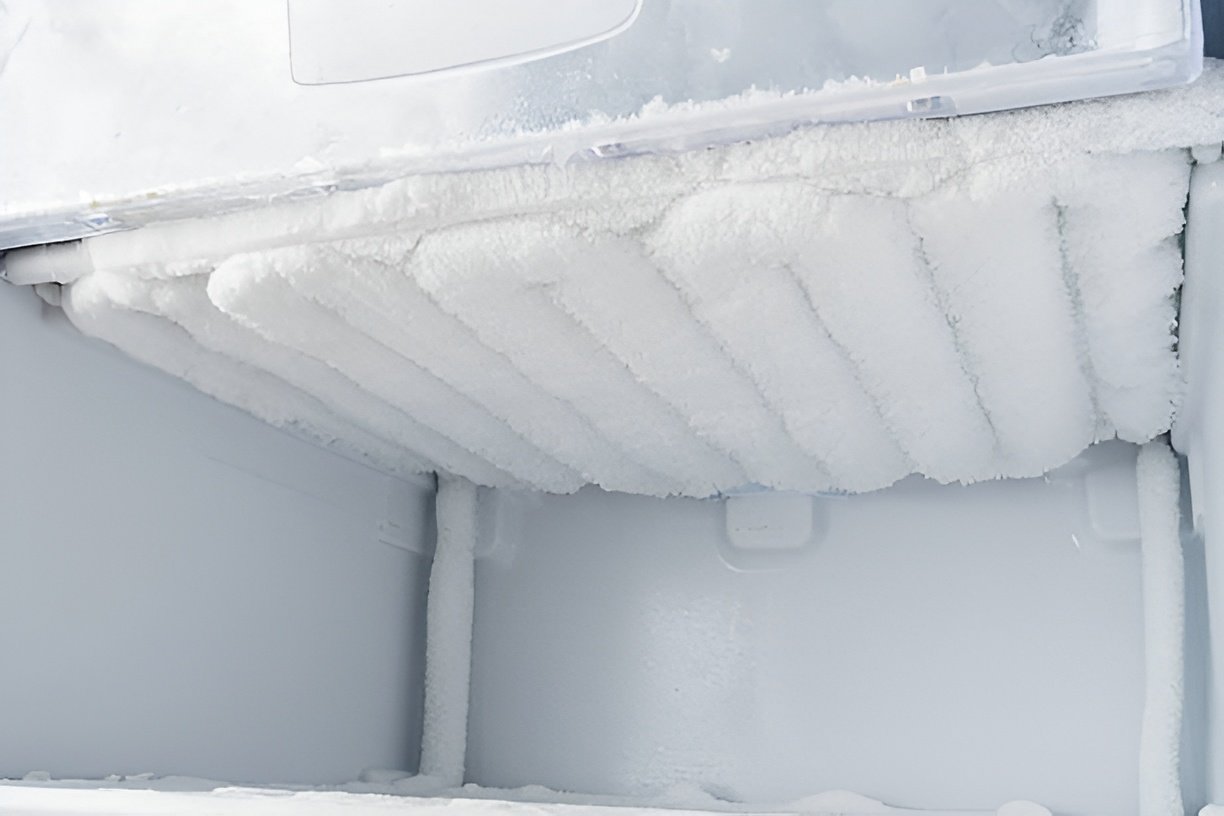
Frost-free systems stop ice from building up inside the freezer. Ice makes an appliance work harder, so preventing it can help keep energy use steady over time.
Good door seals also matter more than many people realise. If cold air escapes, the fridge has to work harder to stay cool. Strong seals help your energy efficient fridge and freezer do their job properly.
Where You Place the Appliance Matters
Even the most efficient appliance can waste energy if it is placed badly. Fridges and freezers should not be placed next to ovens, cookers, or radiators. Heat makes them work harder.
There should also be enough space around the appliance for air to circulate. This helps the motor stay cool and run efficiently. Always follow the manufacturer’s spacing advice, especially in smaller UK kitchens.
Thinking About Long-Term Costs
The cheapest fridge in the shop is rarely the cheapest over time. A model that costs a little more upfront but uses less electricity can save money every year it is in use.
When comparing options, think beyond the price tag. Look at energy use, build quality, and warranty length. A reliable, energy efficient fridge and freezer can last many years, making it a better long-term choice.
When It’s Time to Replace an Old Appliance
If your fridge or freezer is noisy, struggles to stay cold, or needs frequent repairs, it may be using more energy than you realise. Even if it still works, replacing it with a modern, efficient model can be a smart move.
Many UK households are surprised by how much quieter and more stable new appliances are. Better temperature control also helps food last longer, reducing waste.
Final Thoughts
Choosing an energy efficient fridge and freezer in the UK does not need to be complicated. The key is to focus on what actually matters: size, real energy use, and how the appliance fits into your daily life.
By taking a little time to compare options and understand the basics, you can choose an appliance that quietly saves money, works reliably, and suits your home for years to come. Simple decisions like this can make a real difference, without changing how you live day to day.