If you’ve been looking into ways to bring down your energy bills, you’ve probably come across something called Double Glazing Grants. It’s one of those topics that gets a lot of attention in the UK, especially with prices still feeling a bit high in 2026.
Now, a lot of people assume these grants mean free windows for everyone. That’s not really how it works. Some households can get help, yes, but it all depends on eligibility, the condition of the property, and the scheme available at the time.
The purpose of this guide is to explain everything in simple terms so you can understand how it actually works without the confusing jargon that usually comes with government schemes.
What are Double Glazing Grants?
When people mention double glazing, they’re usually talking about government-backed energy efficiency schemes. The idea is fairly simple if your home is losing heat, it costs more to keep it warm, so improving insulation helps bring those costs down.
In some cases, double glazing can be included as part of the improvements, but it’s rarely just a standalone “free windows” deal. It’s normally part of a wider package aimed at making your home more energy efficient overall.
So while people often search for “free windows”, the reality is more about improving home efficiency as a whole.
Are Double Glazing Grants still available in 2026?
Yes, they are still around in 2026, but they’re not quite as simple as some adverts make them sound.
There isn’t a single scheme where you just apply and automatically get new windows fitted. Instead, support is offered through different government-backed programmes, and only certain households qualify.
Some people might get full support, others might get partial help, and some won’t qualify at all. That’s just how the system works.
So while these schemes still exist, they are targeted rather than universal.
Why these grants exist in the first place
There’s actually a sensible reason behind all this.
A lot of UK homes, especially older ones, lose heat quickly through walls, roofs, and windows. That means higher energy bills and more wasted energy overall.
So the government introduced schemes like Double Glazing Grants to help improve energy efficiency and make homes cheaper to run.
At the same time, it also helps the UK move towards lower energy consumption, so it’s a mix of helping households and improving national energy standards.
ECO4 and Double Glazing Grants
Most of the time, when people talk about Double Glazing Grants, they’re actually referring to the ECO4 scheme.
ECO4 is the main energy efficiency programme in the UK right now. It focuses on helping lower-income households or homes that are struggling with poor energy performance.
Now, ECO4 doesn’t just hand out windows. It looks at your home properly and decides what improvements would make the biggest difference.
In some cases, window upgrades may be included, but only if the home assessment shows that they are necessary as part of a wider improvement plan.
Who is likely to qualify?
This is where things get a bit more specific.
You might be eligible for Double Glazing Grants if:
- You’re on certain government benefits
- You have a low household income
- Your home has a poor EPC rating
- Your property is older and not energy efficient
But it’s worth saying this clearly, every application is looked at individually. Two similar homes can still get completely different outcomes.
That’s why it’s always better to check rather than assume.
Double Glazing Grants – Eligibility & Schemes Table (2026)
| Scheme / Grant | What You May Get | Who It’s For | Eligibility Focus |
|---|---|---|---|
| ECO4 Scheme | Energy efficiency upgrades (insulation, heating, sometimes windows) | Low-income households | Benefits, income level, EPC rating |
| LA Flex Scheme | Flexible support from local councils | Households just above the benefit threshold | Local authority rules, vulnerability, and income |
| Great British Insulation Scheme (GBIS) | Insulation improvements for home efficiency | Middle to low-income households | Energy usage, property type |
| Home Upgrade Grant (HUG2) | Full home energy upgrades for off-grid homes | Rural/off-gas homes | Low income + off-grid properties |
| Supplier-Led Schemes | Partial funding or discounted upgrades | Energy supplier customers | Varies by supplier and home efficiency |
Can you actually get free windows?
This is the question everyone asks, and the honest answer is ‘sometimes, but not always’.
A small number of households may get fully funded improvements through Double Glazing Grants, but that’s usually under strict eligibility rules.
Most people, if they qualify, will either get partial support or different energy-saving improvements instead.
So it’s better to think of Double Glazing Grants as “help towards improving your home” rather than a guaranteed free window scheme.
How the process usually works
The process is fairly straightforward – nothing too complicated.
First, you’ll normally be asked a few questions about your home and income. If you seem eligible, a proper home assessment will be arranged.
Someone will then look at how energy efficient your home is and what improvements would actually help.
After that, your application is reviewed under the scheme rules. If approved, installation is done by certified installers working under the Double Glazing Grants programme.
You usually don’t deal directly with the government — it’s all handled through approved providers.
Do Double Glazing Grants actually save money?
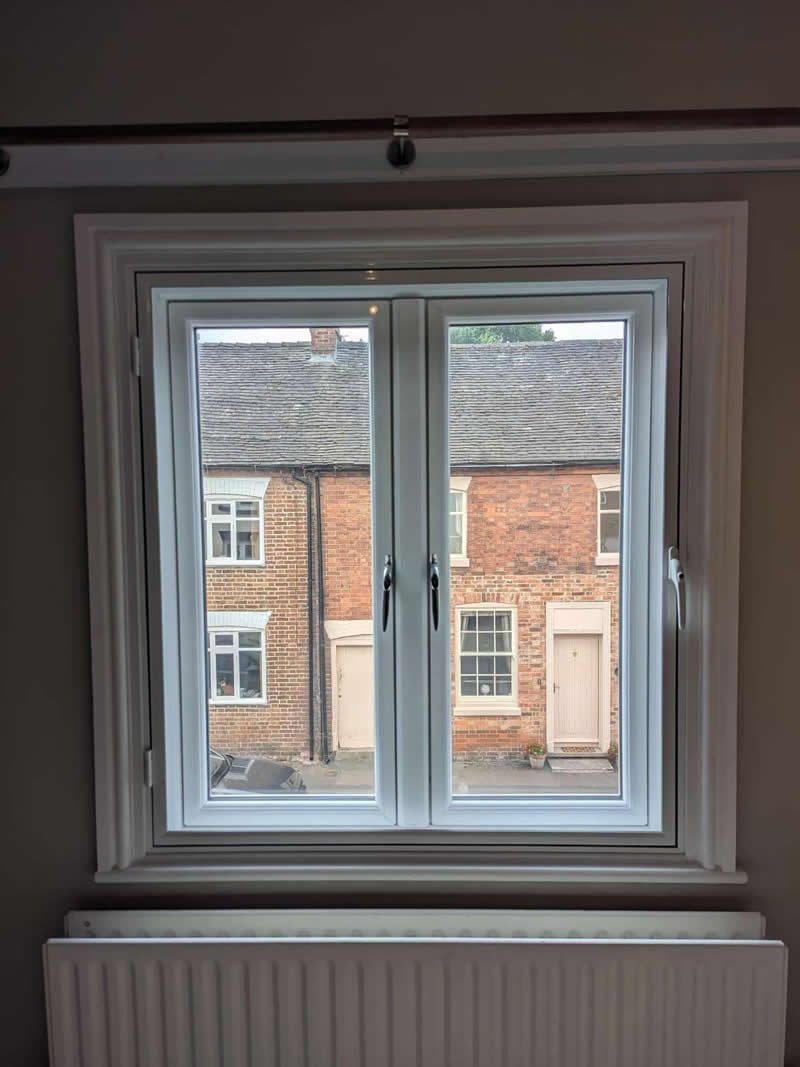
In most cases, yes — especially if your home currently has old or single-glazed windows.
Better insulation means your home keeps heat in for longer, so you don’t need to use as much energy to stay warm. That’s where the savings come in.
The exact amount varies from home to home, but over time, Double Glazing Grants can definitely help reduce heating costs and improve comfort.
Why some applications don’t get approved
Not everyone gets accepted, and there are a few common reasons for that.
Sometimes people don’t meet the income or benefit requirements. Other times, the home is already reasonably energy efficient, so it’s not prioritised.
And in some cases, applications just don’t go through because of missing or incorrect information.
Since funding is limited, priority is always given to homes that need the most improvement.
Is it worth checking in 2026?
Honestly, yes — it usually is.
Even if you’re not sure whether you’ll qualify, it doesn’t hurt to check. There’s no cost involved, and you might still be offered other energy-saving improvements even if you don’t get windows.
With energy prices still being what they are, even small improvements can make a noticeable difference over time.
So it is always worth checking rather than assuming you are not eligible.
Final thoughts
These schemes are often misunderstood. They are not a universal free window programme but part of wider government efforts to improve energy efficiency across UK homes.
In 2026, they’re still available, but only for households that meet certain criteria. Some will get full support, some partial, and some none at all.
The key thing is not to assume it’s always worth checking properly because you won’t know until you do.
FAQs
Can I get free Double Glazing Grants in the UK?
Sometimes yes, but only if you meet strict eligibility rules under government schemes.
What is ECO4?
ECO4 is the main UK government scheme for improving home energy efficiency.
Who usually qualifies?
Low-income households, benefit recipients, and homes with poor energy ratings.
Do I apply directly to the government?
No, applications are usually handled through approved installers.
Are Double Glazing Grants still available in 2026?
Yes, but they are targeted rather than available to everyone.