Understanding how energy efficiency works in buildings may seem complex at first, but it becomes much easier when broken down into simple ideas. One of the key concepts in this area is Minimum Energy Efficiency Standards, which set a baseline for how well a property should perform in terms of energy use. These standards are designed to reduce unnecessary energy waste while promoting more sustainable and efficient living spaces.
For homeowners, landlords, and tenants, having a clear understanding of these standards can be very beneficial. They directly impact how properties are constructed, upgraded, and rented. Beyond that, they help reduce energy costs and contribute to a more comfortable indoor environment, making everyday living both more affordable and efficient.
What Are Minimum Energy Efficiency Standards
At their core, Minimum Energy Efficiency Standards are regulations that define the lowest acceptable level of energy performance for any property. These standards are usually measured through energy ratings, which clearly show how efficiently a building uses energy for heating, lighting, and maintaining overall indoor comfort. This system makes it easier for people to understand how well a property performs.
Governments introduce these rules to reduce energy consumption and lower environmental impact. Properties that do not meet the required level often need upgrades before they can be legally sold or rented. This approach ensures that older or inefficient buildings are gradually improved over time instead of continuing to waste energy.
The purpose goes beyond saving energy alone. These standards also help create healthier and more comfortable living spaces. When a property meets these requirements, it often includes better insulation, improved heating systems, and reduced energy loss, leading to more efficient and sustainable homes.
Why Energy Efficiency Matters in Homes
Energy efficiency is more than just a trend; it is a necessity in modern living. Homes that meet Minimum Energy Efficiency Standards tend to be more comfortable throughout the year, maintaining warmth in winter and staying cooler in summer. This improved performance creates a better indoor environment for daily life.
Lower energy usage also means reduced utility bills, which can significantly benefit households over time. In addition, energy-efficient homes often have a higher property value, making them more attractive to buyers and tenants. This financial advantage encourages more property owners to invest in improvements that support long-term savings.
Environmental impact is another key factor. By reducing energy waste, these standards help lower carbon emissions and support a cleaner, more sustainable future. As a result, they play an important role in global efforts to combat climate change while improving overall housing quality.
How Energy Ratings Work
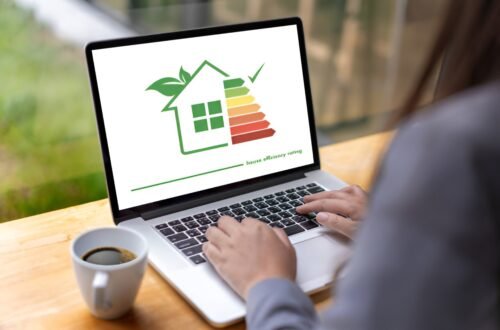
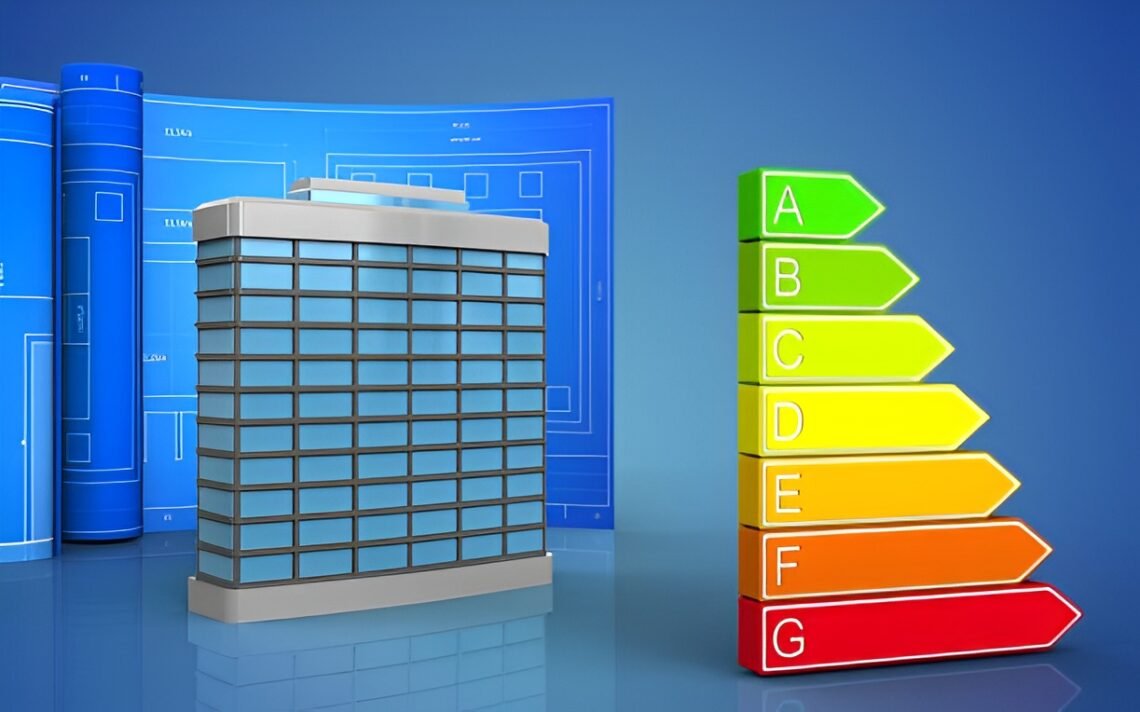
Energy ratings are usually displayed on certificates that show how efficient a property is. These ratings make it easier for people to understand whether a home meets minimum energy efficiency standards or requires improvements.
Common Efficiency Improvements
Typical upgrades include better insulation, double glazing, and modern heating systems. These changes not only help meet minimum energy efficiency standards but also enhance overall living quality.
How These Standards Affect Property Owners
For property owners, especially landlords, Minimum Energy Efficiency Standards are not optional. In many regions, legal rules require properties to meet a certain energy performance level before they can be rented out. If these requirements are not met, owners may face penalties or restrictions on letting their properties.

Meeting these standards may involve initial costs, such as upgrading insulation, improving heating systems, or replacing outdated equipment. However, these upgrades usually pay off over time through lower energy bills and increased property value, making them a worthwhile investment for long-term returns.
In addition, energy-efficient homes attract more interest in the rental market. Tenants prefer properties that offer better comfort and reduced utility costs, making compliance a smart move for landlords aiming to stay competitive.
The Role of Insulation and Heating
Insulation is one of the most important factors in achieving compliance with Minimum Energy Efficiency Standards. Proper insulation helps prevent heat loss, reducing the need for excessive heating and lowering overall energy consumption. This makes homes more efficient and easier to maintain comfortable indoor temperatures throughout the year.
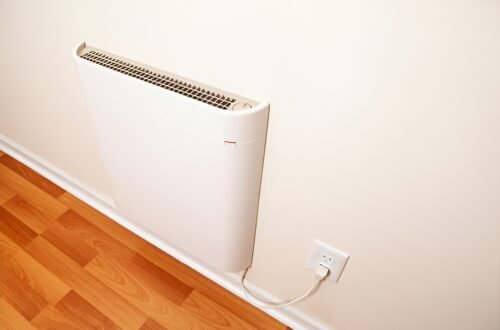
Heating systems also play a major role in energy performance. Modern, energy-efficient systems use less power while delivering better and more consistent results. Replacing outdated units can significantly improve a property’s ability to meet required standards and enhance overall efficiency.
When insulation and heating systems work together effectively, they create a balanced and comfortable living environment. This combination not only supports environmental goals but also reduces long-term energy costs for property owners and tenants.
Benefits for Tenants and Buyers
Tenants and buyers benefit greatly from properties that meet Minimum Energy Efficiency Standards. One of the most noticeable advantages is lower energy bills, which can significantly reduce monthly household expenses and improve affordability over time.
Comfort is another key benefit. Well-insulated homes maintain stable indoor temperatures, reducing cold spots, drafts, and seasonal discomfort. This creates a more consistent and pleasant living environment throughout the year.
In addition, properties that comply with these standards often indicate better overall maintenance and upgraded systems. This gives tenants and buyers greater confidence in the quality, efficiency, and long-term reliability of the home.
Challenges in Meeting the Standards
While the benefits are clear, meeting Minimum Energy Efficiency Standards can sometimes be challenging, especially for older buildings that may need significant upgrades to improve energy performance. These properties often struggle to meet modern requirements without structural or system improvements.
Cost is another common concern for property owners, particularly when multiple upgrades are needed at once. However, these expenses are usually offset over time through reduced energy bills and increased property value, making them a practical long-term investment.
A further challenge is knowing where to begin. Many owners are unsure which improvements will have the biggest impact, which is why professional energy assessments and certificates are essential for clear, effective guidance.
Future of Energy Efficiency Regulations
Energy efficiency regulations are expected to become stricter over time as governments focus more on reducing environmental impact. Minimum Energy Efficiency Standards will likely play an even more important role in shaping future housing requirements and property development.
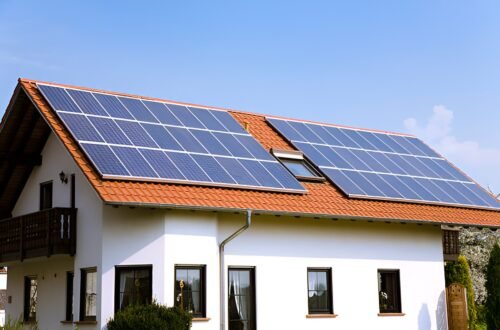
At the same time, new technologies are making it easier to improve efficiency. Smart heating systems, advanced insulation materials, and renewable energy solutions are becoming more affordable and widely available, helping properties perform better.
As these developments continue, homes that already meet standards will be better prepared for future regulations, making early upgrades a smart long-term investment for owners.
Practical Steps to Improve Efficiency
Improving a property’s energy efficiency does not always require major renovations. Small changes like sealing gaps, upgrading lighting, and improving insulation can significantly help properties move closer to Minimum Energy Efficiency Standards.
Professional advice is also useful, as energy assessors can identify the most impactful areas for improvement, ensuring efforts are cost-effective and targeted.
Over time, these gradual upgrades enhance overall performance, making compliance easier while also increasing comfort, reducing energy costs, and improving long-term property value.
Final Thoughts
Energy efficiency is an essential part of modern living, and understanding Minimum Energy Efficiency Standards is key to making informed decisions about property ownership and management. These standards are designed to create better, more sustainable homes that benefit both individuals and the environment by improving performance and reducing energy waste.
By focusing on practical improvements and long-term benefits, anyone can work towards meeting these standards. The result is a home that is more efficient, comfortable, valuable, and better prepared for the future.