
Energy efficiency has become a major priority for landlords across the UK, especially with rising energy costs and stricter property regulations in 2026. Improving efficiency is not only about reducing bills but also about increasing property value, attracting quality tenants, and ensuring long-term sustainability. The focus on landlords energy efficiency is now stronger than ever, as tenants actively prefer homes that are cheaper to run and environmentally responsible.
A well-maintained, energy-efficient property stands out in a competitive rental market. It reduces vacancy periods, improves tenant satisfaction, and supports compliance with government standards. Small improvements can often lead to significant long-term benefits.
Understanding landlords energy efficiency improvements for modern rental properties
The concept of landlords energy efficiency is closely linked to how effectively a property uses energy while maintaining comfort. In the UK rental market, landlords are now expected to upgrade properties to meet higher efficiency standards.
Importance of Energy Performance Ratings
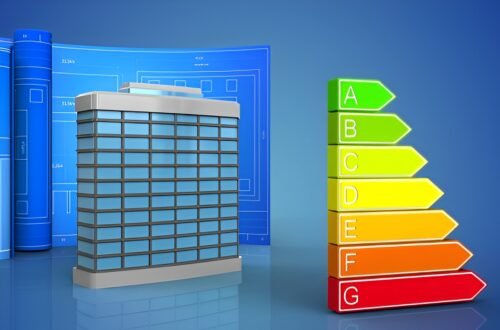
Energy Performance Certificates (EPCs) play a crucial role in measuring how efficient a property is. Higher ratings often lead to better rental demand and increased property value.
Impact on Rental Demand
Tenants are more likely to choose properties with lower utility costs, making efficiency upgrades a strong investment.
Legal and Regulatory Expectations
UK regulations are gradually tightening, requiring landlords to improve energy ratings over time to continue letting properties legally.
Long-Term Financial Benefits
Investing in efficiency reduces long-term maintenance and energy-related expenses, while also improving overall property performance, sustainability, and profitability over time.
Practical upgrades that improve energy efficiency quickly
Improving landlords energy efficiency does not always require major renovations. Many effective changes can be made quickly and affordably, delivering noticeable results.
Upgrading Insulation Systems
Proper insulation in walls, roofs, and floors helps reduce heat loss, maintain a stable indoor temperature efficiently, lower energy consumption, and improve overall comfort and long-term property efficiency.
Installing Energy-Efficient Lighting
Switching to LED lighting reduces electricity consumption, lasts significantly longer than traditional bulbs, and also lowers replacement costs while improving overall energy efficiency.
Improving Window Quality
Double or triple-glazed windows help reduce heat loss, improve sound insulation, enhance indoor comfort, and increase overall energy efficiency in the property.
Sealing Draughts and Air Leaks
Small gaps around doors and windows can significantly impact energy efficiency if not properly sealed, leading to heat loss, higher energy bills, and reduced indoor comfort.
Heating systems and their role in energy efficiency
Heating is one of the biggest contributors to energy consumption in rental properties. Enhancing landlords energy efficiency in this area can lead to major savings and improved comfort.
Upgrading to Modern Boilers
Modern condensing boilers are far more efficient compared to older heating systems, offering better energy use, lower fuel costs, and reduced environmental impact.
Installing Smart Thermostats
Smart heating controls allow tenants to manage energy usage more effectively, reduce unnecessary waste, lower utility costs, and maintain a more comfortable and efficient living environment.
Regular Heating System Maintenance
Well-maintained systems operate more efficiently, reduce the risk of breakdowns, extend equipment lifespan, and help lower overall repair and energy costs.
Optimising Radiator Performance
Ensuring radiators are properly balanced and functioning improves overall heat distribution, enhances system efficiency, and creates a more consistent and comfortable indoor environment.
Smart home technology and energy efficiency improvements

Technology plays a growing role in improving landlords energy efficiency, making properties more attractive, easier to manage, and more cost-effective through smarter energy use and automation.
Smart Energy Monitoring Systems
These systems help track energy usage, identify areas where consumption can be reduced, and enable smarter decisions that improve efficiency and lower overall energy costs.
Automated Lighting and Heating Controls
Automation ensures energy is only used when needed, reducing unnecessary consumption, lowering utility costs, and improving overall efficiency and sustainability.
Remote Property Management Tools
Landlords can monitor and control energy systems remotely, improving efficiency management, optimizing performance, and reducing energy waste and operational costs.
Integration with Renewable Energy Systems
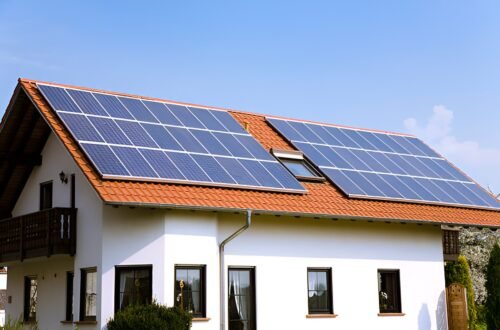
Smart systems can work alongside solar panels or other renewable sources for maximum efficiency, optimizing energy use, reducing reliance on traditional power, and lowering overall operating costs.
Cost-effective strategies to improve energy efficiency
Not all improvements require large investments, as many cost-effective methods can significantly enhance landlords energy efficiency, reduce energy waste, and improve overall property performance.
Using Low-Cost Insulation Materials
Affordable insulation solutions can still provide strong energy-saving benefits, helping reduce heat loss, lower utility costs, and improve overall property efficiency.
Replacing Old Appliances Gradually
Energy-efficient appliances reduce electricity usage over time, lower utility bills, and contribute to overall long-term savings and improved property efficiency.
Encouraging Tenant Energy Awareness
Educating tenants about efficient energy use helps reduce unnecessary consumption, lower energy bills, and support more sustainable and responsible living habits.
Regular Property Energy Assessments
Periodic checks help identify small issues before they become costly problems, ensuring better system performance, improved efficiency, and reduced long-term maintenance expenses.
Long-term property value benefits of energy efficiency upgrades
Investing in landlords energy efficiency not only improves current performance but also increases long-term property value, enhances tenant demand, and supports sustainable cost savings over time.
Higher Rental Income Potential
Energy-efficient homes often justify higher rental prices due to lower running costs, improved comfort, and increased demand from tenants seeking cost-effective and sustainable living options.
Increased Market Demand
More tenants prefer properties with better EPC ratings and lower utility bills, as they offer improved energy efficiency, greater comfort, and more affordable long-term living costs.
Future-Proofing Against Regulations
Upgrading early helps landlords stay ahead of changing legal requirements, reduce future compliance risks, and ensure properties remain competitive and energy efficient.
Improved Property Reputation
Energy-efficient homes are more attractive and easier to market, as they appeal to cost-conscious tenants, offer lower utility bills, and provide better overall living comfort.
Environmental impact of improving energy efficiency
Beyond financial benefits, landlords energy efficiency also contributes to environmental sustainability, which is increasingly important in the UK property sector.
Reducing Carbon Emissions
Energy-efficient homes produce fewer emissions, helping reduce environmental impact, support sustainability goals, and contribute to a cleaner and healthier living environment.
Supporting Sustainable Living Standards
Tenants are becoming more eco-conscious and prefer greener housing options that offer lower energy costs, reduced environmental impact, and more sustainable living conditions.
Lower Resource Consumption
Efficient homes use less energy, reducing overall environmental strain, lowering carbon emissions, and promoting more sustainable resource consumption over time.
Encouraging Responsible Property Management
Landlords play a key role in promoting sustainable housing practices by investing in energy-efficient upgrades, maintaining properties responsibly, and encouraging eco-friendly tenant behavior.
Common mistakes landlords should avoid in energy efficiency upgrades
While improving landlords energy efficiency, some mistakes can reduce effectiveness or increase costs unnecessarily.
Ignoring Small Energy Loss Areas
Small leaks and gaps often have a big impact if left untreated, leading to higher energy loss, increased utility costs, and reduced overall efficiency in the property.
Choosing Short-Term Fixes Only
Temporary solutions may not provide long-term efficiency benefits, often leading to recurring issues, higher maintenance costs, and reduced overall energy performance over time.
Delaying Essential Upgrades
Postponing improvements can lead to higher future costs, increased energy waste, and more expensive repairs or upgrades when issues become more serious over time.
Overlooking Tenant Behaviour Factors
Energy efficiency also depends on how tenants use the property, including their daily habits, awareness of energy-saving practices, and proper use of heating and appliances.
Conclusion
Improving rental properties through better energy performance is now essential for modern landlords in the UK. Focusing on landlords energy efficiency helps reduce energy costs, increase property value, and attract reliable tenants in a competitive market.
By implementing smart upgrades, maintaining heating systems, and using modern technology, landlords can achieve significant improvements quickly. Ultimately, landlords energy efficiency is not just a regulatory requirement but a long-term investment that benefits both landlords and tenants.