
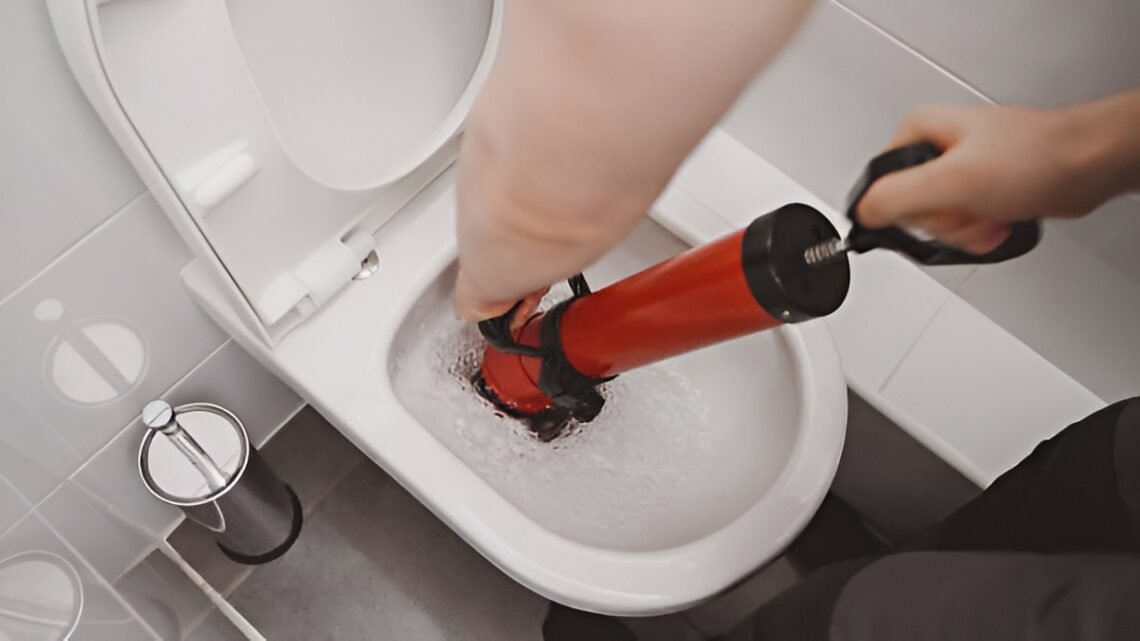
A blocked toilet is one of the most common and unpleasant household problems. It can happen suddenly and often at the worst possible time. Whether the blockage is caused by excess toilet paper, foreign objects, or a buildup of waste, knowing how to unblock a toilet can save you time, money, and stress.
Many people immediately think they need to call a plumber, but in most cases, a blocked toilet can be fixed easily using simple household methods. This informative guide explains how to unblock a toilet safely and effectively, even if you have no plumbing experience. With the right approach, you can restore your toilet to normal working condition in a short amount of time.
Common Causes of a Blocked Toilet
Understanding what causes a toilet blockage can help you choose the right solution. One of the most frequent reasons is using too much toilet paper at once. Non-flushable items such as wipes, sanitary products, cotton pads, or paper towels can also lead to serious clogs.
In some cases, mineral buildup or older plumbing systems contribute to slow drainage and frequent blockages. Children may also accidentally flush toys or other objects down the toilet. Knowing the cause makes it easier to understand how to unblock a toilet effectively and prevent future problems.
How to Unblock a Toilet Using Hot Water
Hot water is one of the simplest methods to clear a minor blockage. Carefully pouring hot, but not boiling, water into the toilet bowl can help break down waste and loosen the clog. The heat softens toilet paper and organic material, allowing it to move through the pipes more easily.
After adding hot water, wait several minutes before flushing. This method works best for mild blockages and is a good first step when learning how to unblock a toilet without using tools.
How to Unblock a Toilet With Dish Soap
Dish soap can act as a lubricant inside the pipes. Pouring a generous amount of dish soap into the toilet bowl allows it to coat the blockage. After letting it sit for several minutes, adding hot water can help push the clog through the plumbing system.
This method is especially useful when the blockage is caused by excess toilet paper. Understanding how to unblock a toilet with dish soap provides a safe and chemical-free solution.
How to Unblock a Toilet Using a Plunger
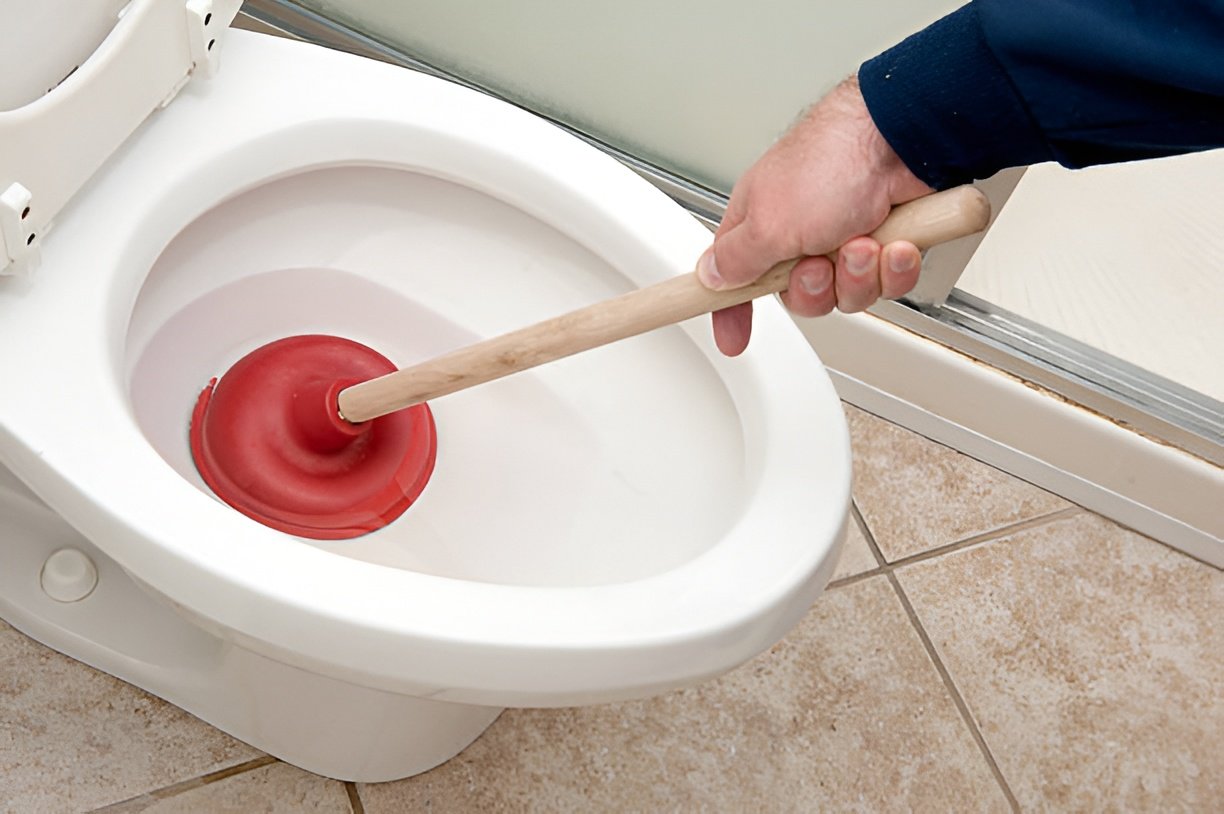
A plunger is one of the most effective tools for clearing a toilet blockage. Using steady pressure and controlled movement helps dislodge the clog and restore normal water flow. Ensure the plunger forms a tight seal over the drain hole before pushing and pulling gently.
After several attempts, flush the toilet to check if the blockage has cleared. Learning how to unblock a toilet with a plunger is an essential household skill that can resolve most clogs quickly.
How to Unblock a Toilet With Baking Soda and Vinegar
Baking soda and vinegar create a natural chemical reaction that can help dissolve blockages. Pour baking soda into the toilet bowl, followed by vinegar, and allow the mixture to fizz and break down waste.
After waiting at least 30 minutes, flush the toilet to see if the clog has cleared. This method is environmentally friendly and effective for organic blockages. Knowing how to unblock a toilet using natural ingredients is ideal for households that avoid harsh chemicals.
How to Unblock a Toilet Using a Toilet Auger
For stubborn blockages, a toilet auger can be very effective. This tool reaches deeper into the pipes than a plunger and helps remove or break up the clog. Carefully insert the auger into the toilet drain and rotate it to dislodge the blockage.
Once the blockage is removed, flush the toilet to ensure proper drainage. Learning how to unblock a toilet with an auger is helpful when simple methods fail.
Preventing Toilet Blockages in the Future
Preventing blockages is just as important as knowing how to unblock a toilet. Avoid flushing non-flushable items, use toilet paper in moderation, and educate household members about proper toilet use.
Regular maintenance and occasional flushing with hot water can also help keep pipes clear. These preventative steps reduce the likelihood of future blockages and keep your toilet functioning smoothly.
When to Call a Plumber
Sometimes, a blockage may be too severe to handle on your own. If water continues to rise, drains slowly after multiple attempts, or you notice unpleasant odors coming from the toilet, it may be time to call a professional plumber.
Knowing how to unblock a toilet helps in most situations, but recognizing when professional help is needed can prevent further damage to your plumbing system.
Conclusion
A blocked toilet can be inconvenient, but it does not always require professional assistance. By learning how to unblock a toilet using simple and effective methods, you can solve most problems quickly and safely.
From hot water and dish soap to plungers and natural solutions, these techniques empower you to handle toilet blockages with confidence. With proper prevention and basic knowledge, you can keep your bathroom running smoothly and avoid unnecessary plumbing costs.