Drainage problems are among the most disruptive issues a homeowner can face. What often begins as a slow-draining sink or an unpleasant smell can quickly escalate into flooding, structural damage, and costly repairs. Many of these problems develop out of sight, making them difficult to detect until serious damage has already occurred. Understanding how drain disasters happen and how to prevent them is essential for protecting both your property and your peace of mind.
By taking a proactive approach to drainage care, homeowners can reduce the risk of emergencies and extend the life of their underground systems. This guide explains the most common causes of drain failures, the warning signs to watch for, and the practical steps that help prevent problems before they become severe.
Why Drain Problems Often Go Unnoticed
Unlike visible parts of a home, drainage systems operate below ground or behind walls. This makes early warning signs easy to miss. Small issues such as minor blockages or hairline cracks can worsen gradually, especially when combined with weather conditions or increased usage.
Many homeowners only seek help once damage is obvious, at which point repairs are often more complex and expensive. This is why preventative checks, such as a Drain survey in Ashford are becoming increasingly important for homeowners who want clarity about the condition of their drainage system without unnecessary disruption.
Common Causes of Drain Disasters
Drain failures rarely occur without cause. Understanding what leads to these problems helps homeowners take preventive action.
Typical causes include:
- Build-up of grease, soap, and debris within pipes
- Tree root intrusion searching for moisture
- Collapsed or cracked pipes due to ground movement
- Poor installation or ageingof drainage materials
- Heavy rainfall is overwhelming existing systems
Each of these issues can restrict flow and place pressure on the drainage network, increasing the likelihood of flooding or backups.
Early Warning Signs to Watch For
Drain disasters often give subtle signals before major damage occurs. Recognising these early indicators allows homeowners to act quickly.
Warning signs may include:
- Slow-draining sinks, baths, or showers
- Gurgling noises from pipes or toilets
- Persistent unpleasant odours around drains
- Water is backing up after heavy rain
- Damp patches or unexplained moisture near drainage routes
Ignoring these signs can allow minor problems to develop into emergencies that disrupt daily life.
The Importance of Routine Drain Checks
Routine inspection is one of the most effective ways to prevent serious drainage issues. Modern inspection methods allow professionals to assess the internal condition of pipes without excavation.
Routine checks help to:
- Identify blockages before they worsen
- Detect cracks or pipe misalignment early
- Confirm correct water flow and drainage capacity
- Provide peace of mind for homeowners
Preventative inspection is particularly valuable for older properties or homes surrounded by trees.
How Blockages Develop Over Time
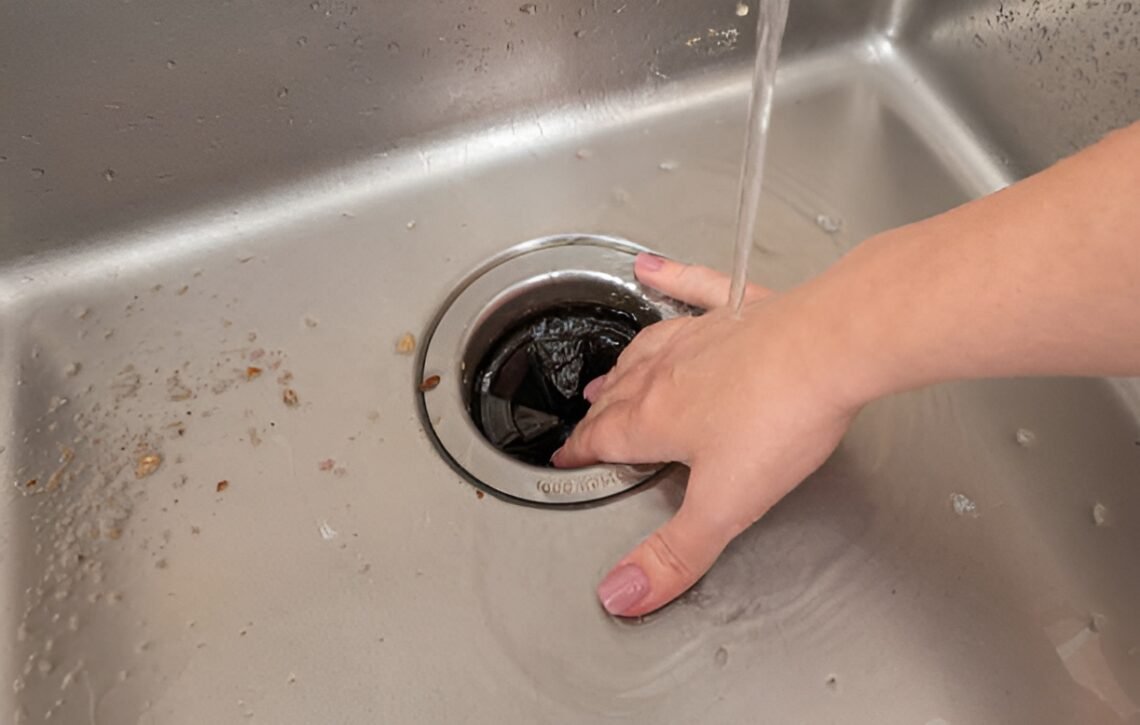
Blockages rarely happen overnight. They build gradually as waste materials collect inside pipes. Kitchen drains are especially vulnerable due to grease and food residue, while bathroom drains often suffer from hair and soap buildup.
Without regular maintenance, these materials harden and restrict flow. Over time, pressure increases and can lead to pipe damage or complete blockage. Addressing minor obstructions early helps maintain efficient drainage and reduces stress on the system.
Tree Roots and Structural Damage
Tree roots are a common cause of severe drainage problems. Even small cracks in pipes can attract roots seeking moisture. Once inside, roots expand and block the flow of water.
If left untreated, root intrusion can:
- Cause recurring blockages
- Crack or collapse pipes
- Lead to ground instability
- Increase repair costs significantly
Early detection is crucial to managing this risk effectively.
The Role of Weather and Seasonal Changes
Seasonal weather plays a major role in drainage performance. Heavy rainfall can overwhelm drains that are already partially blocked, while freezing temperatures may cause weakened pipes to crack.
During autumn and winter, fallen leaves and debris can enter external drains, increasing the risk of surface flooding. Preparing drainage systems for seasonal changes helps prevent sudden failures when conditions become more demanding.
Preventative Measures Homeowners Can Take
While professional inspections are essential, homeowners can also take simple steps to reduce the risk of drain disasters.
Practical preventative measures include:
- Avoid pouring grease or oils down sinks
- Use drain covers to catch hair and debris
- Clear leaves from external drain covers regularly
- Flush drains periodically with hot water
- Address slow drainage promptly rather than waiting
These small actions support long-term drainage health.
When Professional Intervention Is Necessary
Some drainage issues require professional assessment and repair. Persistent blockages, repeated flooding, or unexplained dampness should never be ignored.
Professional services provide:
- Accurate diagnosis of underlying issues
- Non-invasive inspection methods
- Targeted repairs rather than guesswork
- Advice on preventing future problems
Seeking expert help early often prevents more extensive damage.
Protecting Property and Peace of Mind
Drain disasters can affect not only plumbing but also the structural integrity of a home. Water damage may weaken foundations, damage flooring, and create conditions for mould growth.
Preventative drainage care protects:
- The value of the property
- The safety of occupants
- Daily comfort and hygiene
- Long-term maintenance budgets
Investing in preventative measures is far more cost-effective than dealing with emergency repairs.
Preparing for Property Sales or Renovations
Drain condition is an important consideration during property sales or renovation projects. Undetected drainage issues can delay work or lead to unexpected expenses.
Proactive inspection provides clarity and confidence, allowing homeowners to move forward with renovations or sales knowing their drainage system is sound.
Final Thoughts
Preventing drain disasters requires awareness, regular monitoring, and timely professional support. By recognising early warning signs and taking preventative action, homeowners can avoid the stress and expense of major drainage failures.
A well-maintained drainage system supports the overall health of a property and ensures that minor issues never have the chance to become serious problems. With the right approach, homeowners can protect their homes and enjoy long-term peace of mind.