
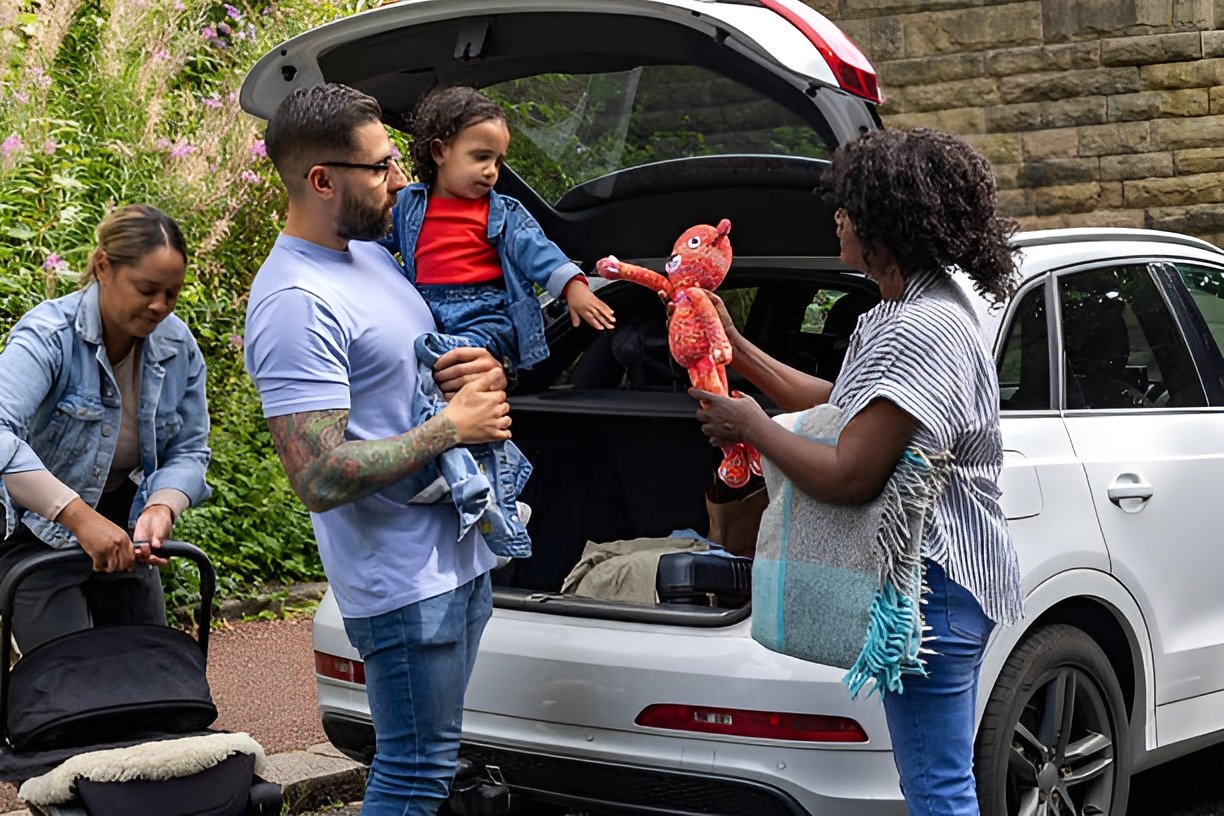
Fostering children is one of the most rewarding roles in the UK, but it also comes with practical challenges. One of the biggest needs for many foster families is suitable transport. When carers look after several children or children with additional needs, they often require larger or adapted vehicles. This is where the question of a vehicle grant for foster parents UK becomes important. Many foster carers want to know if financial help is available to cover the cost of a car, van, or adaptations. It also links closely with understanding what is a looked after child entitled to.
What is a Vehicle Grant for Foster Parents UK?
A vehicle grant for foster parents UK is financial support that may be provided by local authorities or fostering agencies to help carers buy or adapt a vehicle. Not every local authority offers this support, and there is no single national scheme that applies across the whole of the UK. Instead, each council has its own policies, which means what is available depends on where you live and who you foster through.
In most cases, a vehicle grant for foster parents UK is considered only when a car is essential for meeting the needs of children in care. For example, if you suddenly take on a sibling group of three children but your existing vehicle has only five seats, the council may consider helping you secure a larger car.
Why Foster Parents Might Need Vehicle Grants
There are many situations where a vehicle grant for foster parents UK becomes important. Some carers live in rural areas with limited public transport, so having a reliable vehicle is essential. Other foster children who need regular hospital visits, therapy appointments, or specialist schooling that requires daily travel. In these cases, the council recognises that the right vehicle is not a luxury but a necessity.
Another reason is the need to keep siblings together. If a foster carer is able to take on brothers and sisters but does not own a vehicle big enough to transport them safely, the placement might break down. A vehicle grant for foster parents UK can make the difference between children staying with their families or being separated.
What Local Authorities Offer
Not every council provides direct grants for vehicles, but some do offer help in specific circumstances. For example, certain local authorities provide one-off payments towards the cost of a larger car if it is required for a placement. Others may not give a grant but will agree to an increased fostering allowance that can be used towards vehicle expenses or even car deals for foster parents in some cases.
In some areas, a vehicle grant for foster parents UK comes in the form of a loan or a special arrangement rather than a gift. Councils may also consider paying for vehicle adaptations if a child has disabilities, such as installing specialist seating or wheelchair access.
The key point is that there is no standard approach. Each local authority makes decisions on a case-by-case basis. This is why foster carers need to ask their supervising social worker or fostering team what support is available.
How to Apply for a Vehicle Grant

Applying for a vehicle grant for foster parents UK usually begins with a conversation. Foster carers should raise the issue with their supervising social worker, explaining why their current vehicle is not suitable and how a new or adapted vehicle would benefit the children in their care.
The next step is often to submit a written request. Councils may ask for details such as the number of children in the household, the type of travel required, and the estimated cost of the vehicle or adaptation. Supporting evidence, like medical letters or appointment schedules, can help strengthen the case.
If the council agrees, the decision will usually be recorded as part of the fostering support plan. Some foster carers receive a direct payment to cover part of the cost, while others might be offered a top-up to their allowance. The important thing to remember is that the success of an application for a vehicle grant for foster parents UK often depends on showing a clear need linked to the welfare of the children.
Challenges and Limitations
While the idea of a vehicle grant for foster parents UK is appealing, the reality is that funding is limited. Many councils face budget pressures, and not all are willing or able to provide grants. Some foster carers report that support is inconsistent, with one authority providing help and another refusing similar requests.
Another challenge is that grants are not usually large enough to cover the full cost of a new vehicle. In most cases, the grant is a contribution rather than complete funding. Carers may still need to finance part of the cost themselves. For families who already manage on limited budgets, this can be difficult.
Despite these challenges, it is always worth asking about a vehicle grant for foster parents UK. Even if a full grant is not available, there may be other forms of support, such as higher mileage payments, car leasing schemes, or discretionary allowances.
Alternative Sources of Support
If a vehicle grant for foster parents UK is not available from the local authority, there are still other avenues to explore. Some fostering charities and organisations provide small grants to help with essential costs. In certain situations, carers may be able to apply for disability-related funding if they foster children with complex medical needs.
In addition, some councils operate hardship funds that foster carers can apply to for one-off expenses. While these are not specifically labelled as vehicle grants, they can sometimes be used to help with urgent transport costs. Car deals for foster parents may also be an alternative option in some regions.
Final Thoughts
The subject of a vehicle grant for foster parents UK is an important one because transport plays such a vital role in foster care. Without the right vehicle, carers may struggle to meet the needs of the children they look after. Although there is no universal scheme across the UK, many local authorities do provide some level of support in special cases.
The best advice for foster carers is to raise the issue with their social worker, gather evidence of need, and formally request help. Even if a grant is not possible, alternative arrangements may be available. Every foster family’s situation is unique, and councils are often willing to consider creative solutions when it is in the best interests of the children.
By understanding what a vehicle grant for foster parents UK is, how local authorities make decisions, and how to apply, carers can give themselves the best chance of receiving support. And in doing so, they can focus on what really matters: providing a safe, stable, and loving home for the children in their care.